Laal Maas In Jaipur, India
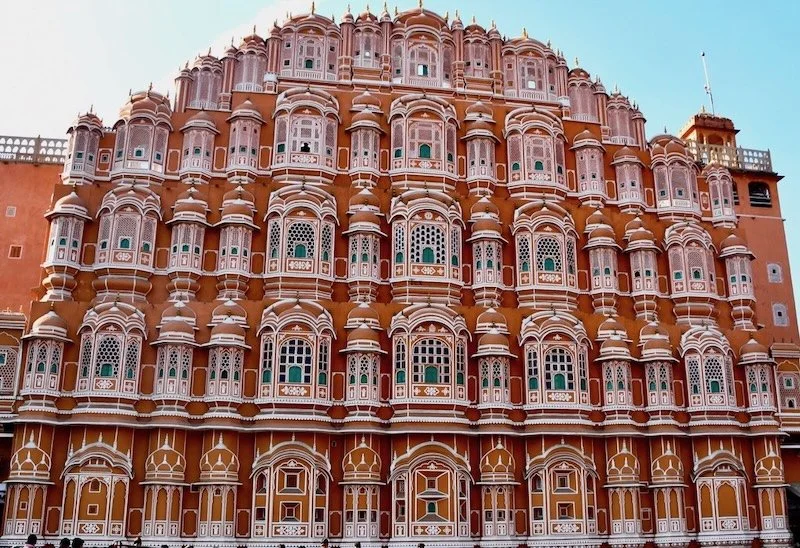
Our first glimpse of Jaipur was everything we had imagined - a city of spectacular buildings in every shade of pink, grand palaces, bustling streets and a fascinating sense of history at every turn. The first place we wanted to see was the Hawa Mahal, or the Palace of Winds. With its extraordinary pink sandstone façade, topped with rows upon rows of delicate balconies and latticed windows, it is one of the most iconic sights in India. It is part of the City Palace, once home to Jaipur’s royal family, and its many screened windows were designed to allow the royal women to watch the life of the city unfolding below without being seen themselves. We could easily imagine the queens watching festival and wedding processions outside!
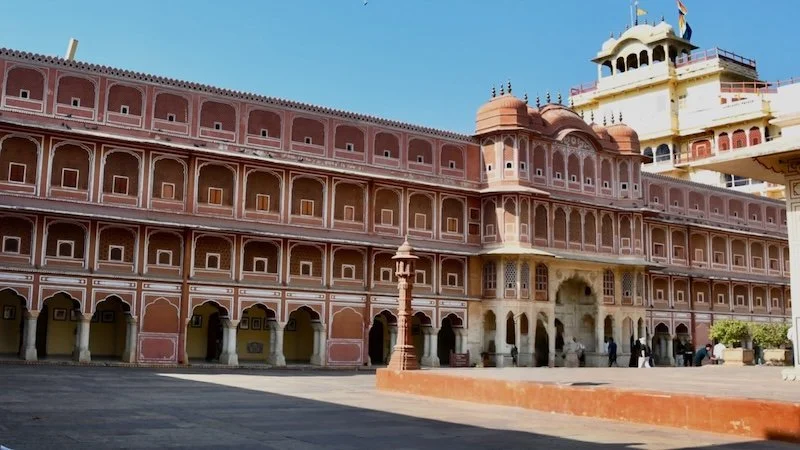
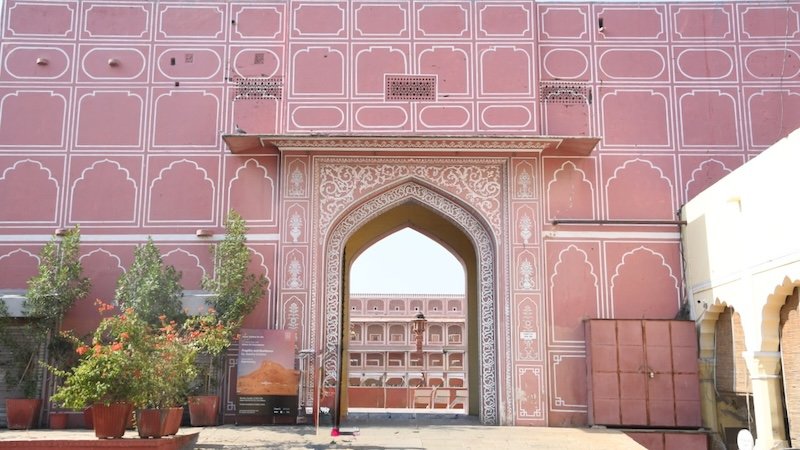
Jaipur is unique in being an ancient city, but one that was planned and systematically laid out in the early eighteenth century, with well planned neighbourhoods and wide, paved boulevards. The city is named after its founder Jai Singh II, the ruler at the time. He was a man of wide ranging interests, a skilled mathematician and astronomer, who personally supervised the design and construction of the city and placed the City Palace at its centre where it served as both a royal residence and an administrative hub.
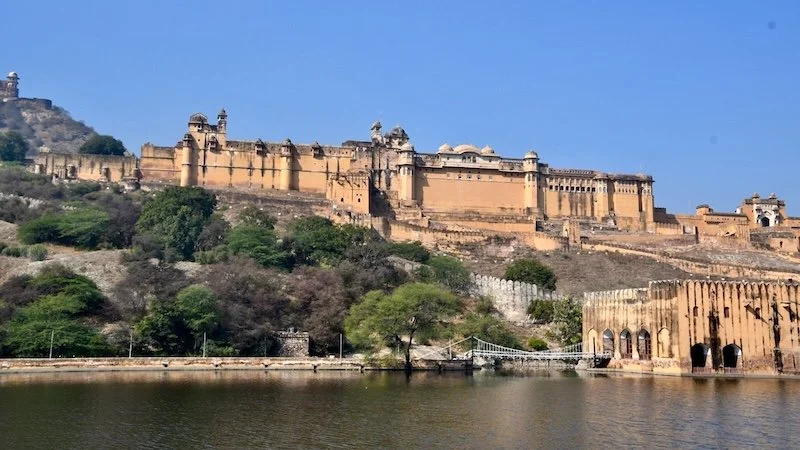
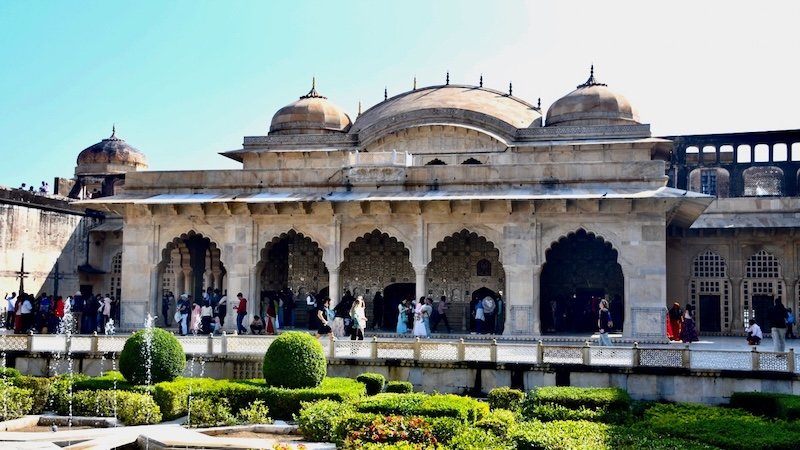
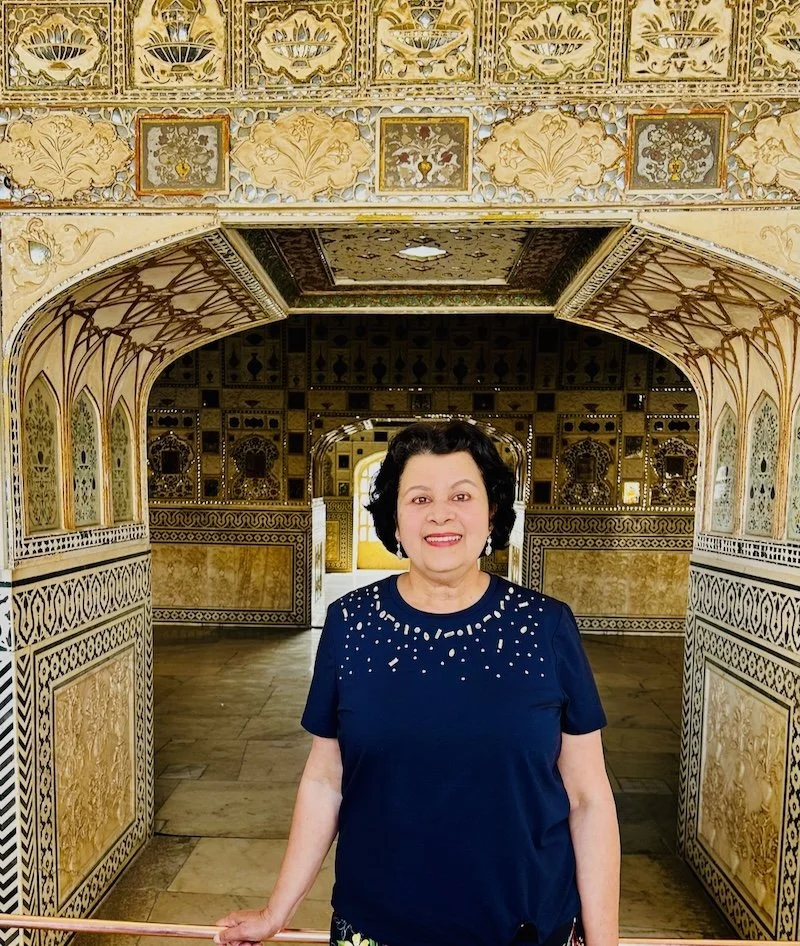
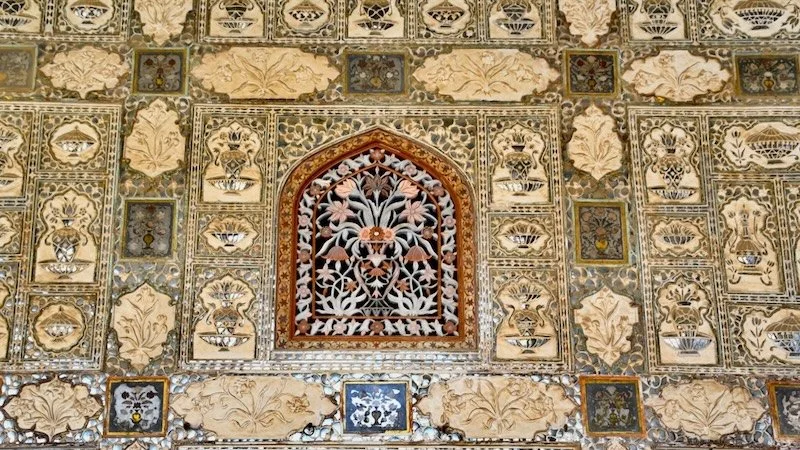
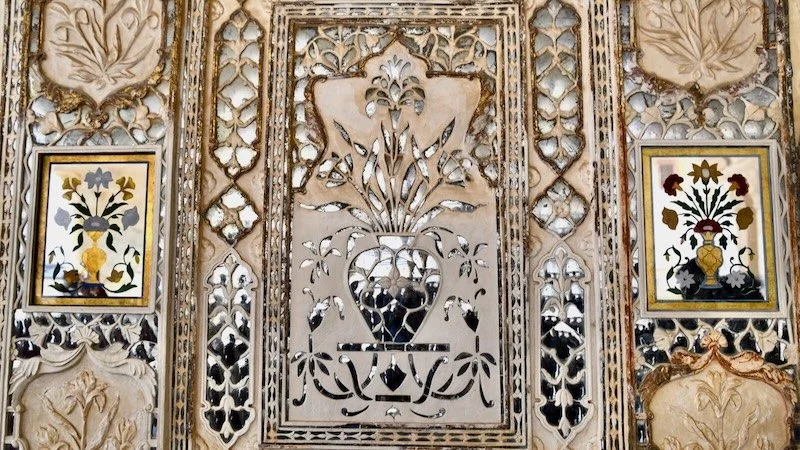
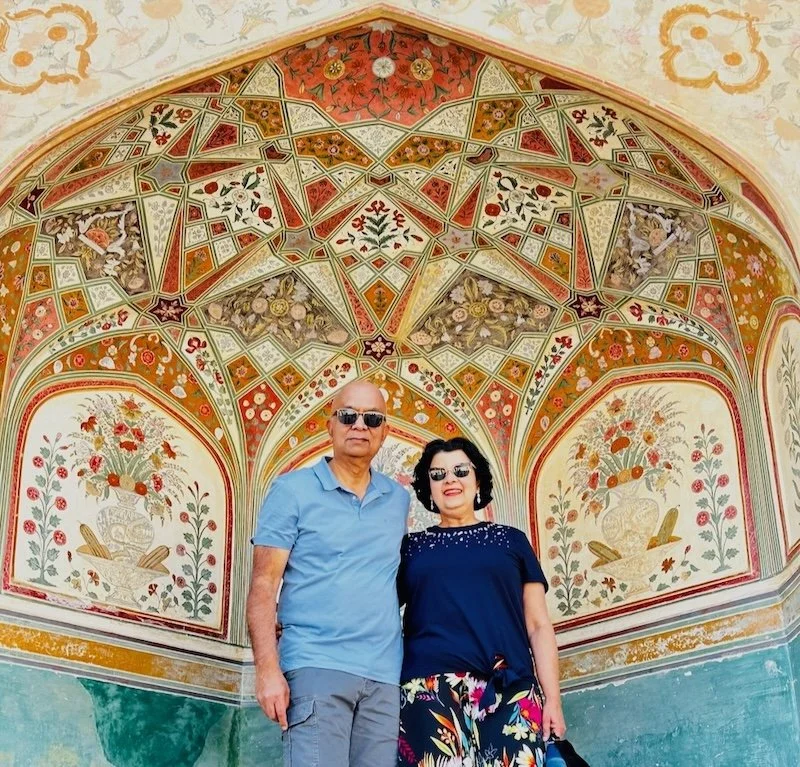
To see the ancient history of Jaipur we had to go a few miles outside the city, to the great medieval fortress of Amber. This was the stronghold of the Rajput rulers from the 16th century until the founding of Jaipur, and served as both a formidable fortress and a royal residence. The fortifications that stretch for miles were designed to repel all invaders, but within them the palace is a magnificent display of luxury and craftsmanship. The walls are covered with exquisite carvings, inlaid with precious stones. Intricate murals make a stunning display on every available surface.
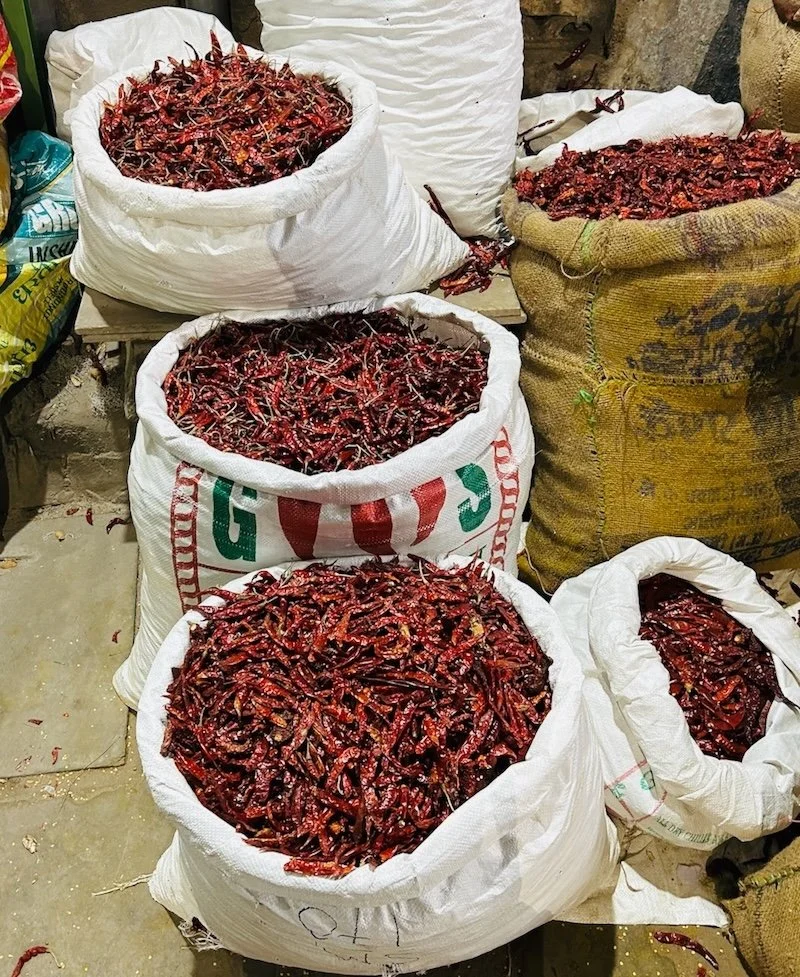
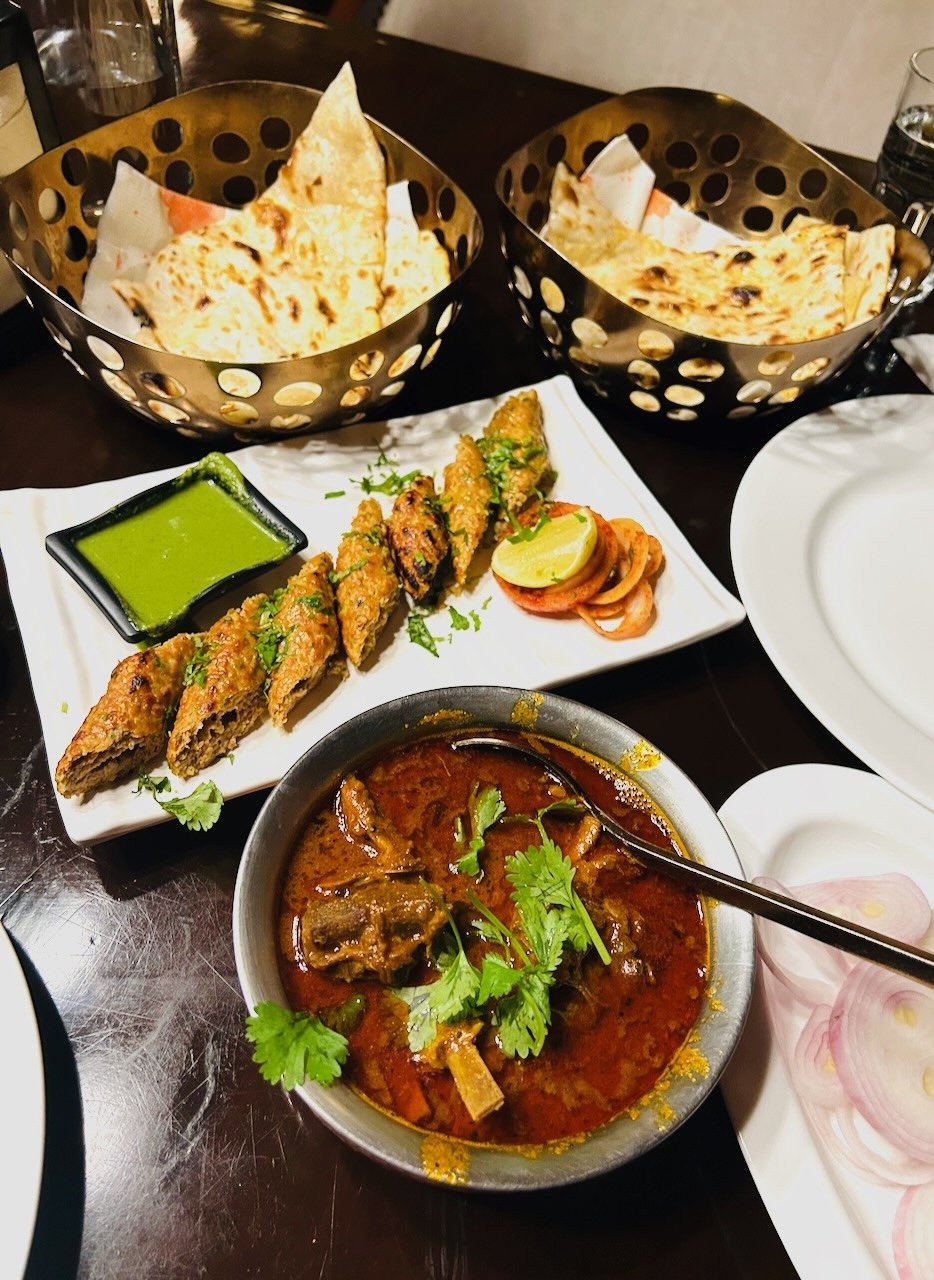
Rajasthan is mostly desert and not much vegetation grows there. It is, however, a big producer of spices such as cumin, coriander and fenugreek. It is also known for its red chilies, one of the most famous varieties of which grow in the village of Mathania and are prized for their colour and sharp, pungent heat. Mathania chilies are used in preparing Jaipur’s most famous dish - Laal maas, a brilliant red, fiery dish of lamb cooked with an abundance of Mathania chilies which give it its characteristic colour.
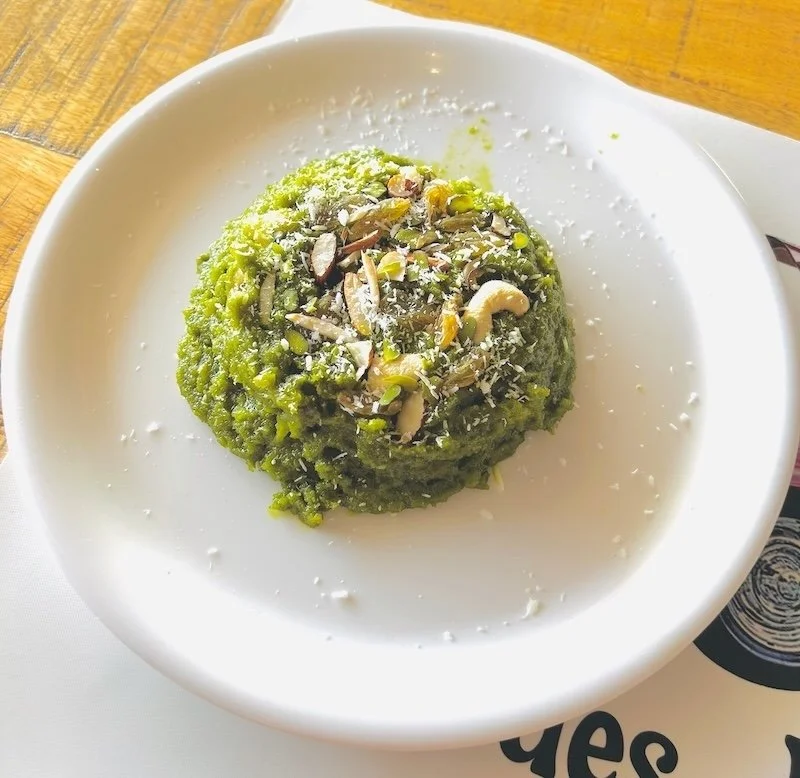
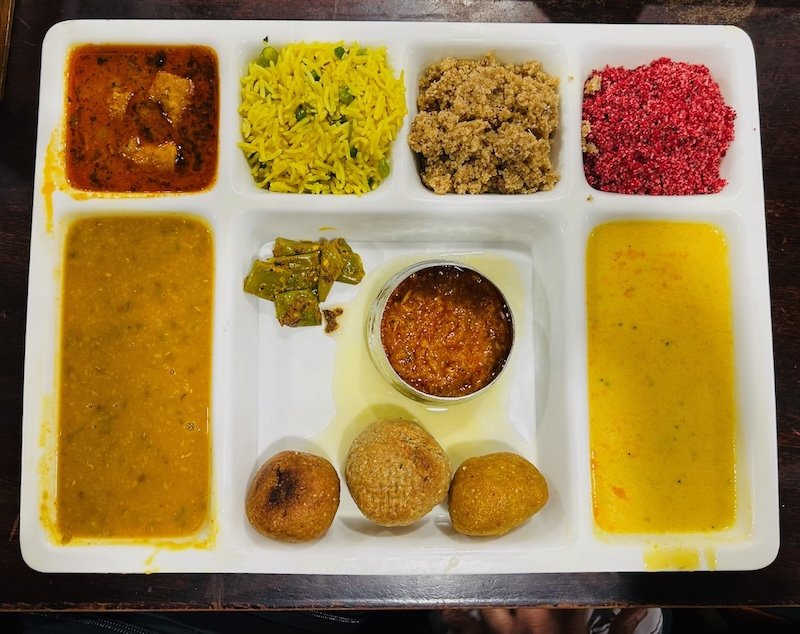
We enjoyed Laal Maas so much that we tried to eat it every chance we got and when the chilies overwhelmed us, we followed up with another unusual, delicious dish - spinach halwa. A dessert made with fresh spinach, thickened milk, sugar and nuts, it was unforgettable.
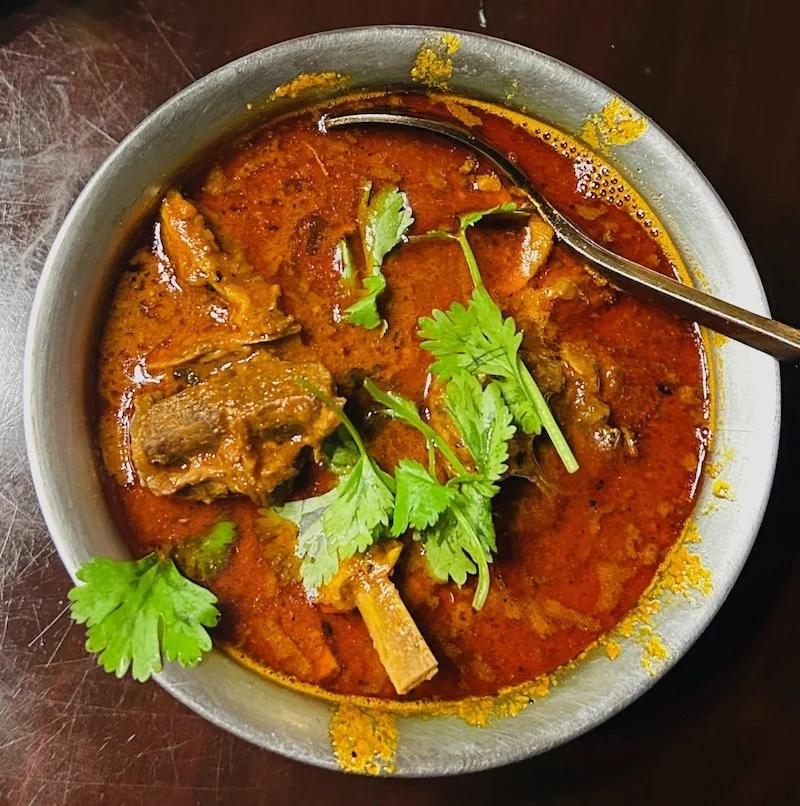
Laal Maas is very easy to make at home with whole spices and Kashmiri chilies which are easier to find. I like to use some paprika to temper the heat and add that gorgeous red colour to the curry. Feel free to make it as hot as you can handle!
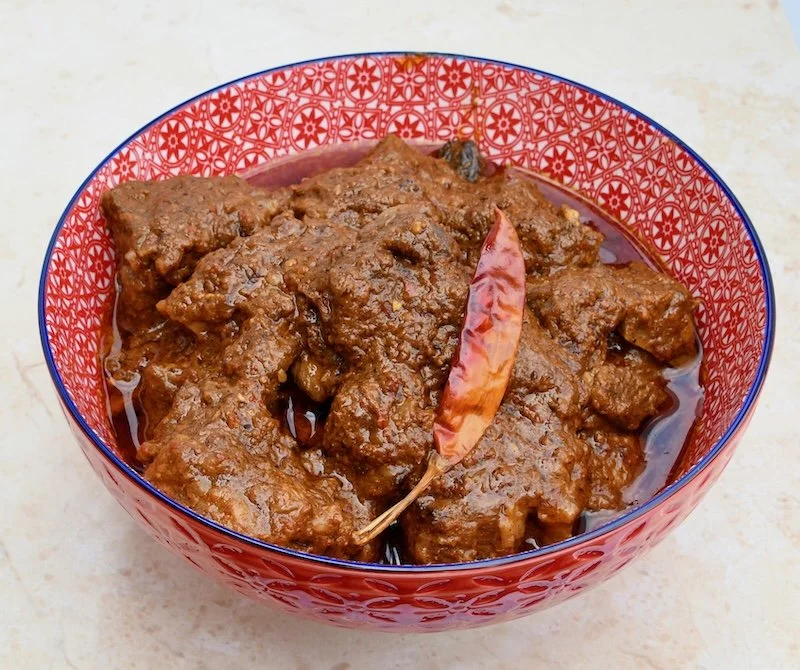
Laal Maas
8-10 dried Kashmiri chilies, stemmed and de-seeded if desired
Or use: 1 tbsp paprika or mild Kashmiri chili powder
1/2 cup each: water, thick Greek style plain yogurt
2 tbsp oil
1/2 tsp cumin seeds
6 each, whole spices: cardamom, cloves
2 inch stick of cinnamon
1 large cooking onion, thinly sliced
4 cloves garlic, finely chopped
1 inch piece of ginger, finely chopped
2 lb cubed bone in or boneless leg of lamb (extra fat trimmed)
1 tsp each, ground spices: coriander, cumin
Salt to taste
2 tbsp chopped fresh coriander
Soak whole chilies (if using) in 1 cup hot water for 15 min. Drain and grind to a smooth paste in a blender with ½ cup water and yogurt. (Skip this step if using Paprika or Kashmiri chili powder). Reserve for later use in the recipe.
Meanwhile, warm oil in deep heavy skillet over medium heat. Add cumin seeds, cardamom, cloves and cinnamon stick. Sizzle spices for 30 sec, then add onions, garlic and ginger. Sauté onions until browned, about 8-10 min.
Add ground coriander, cumin and Kashmiri chili powder or paprika (if using) and salt. Sauté for 30 sec, then add lamb. Sauté for 5 min until lamb browns lightly and becomes aromatic.
Reduce heat to low, add the reserved chili-yogurt mixture, stirring all the while until incorporated, about 1 min. Cover and bring contents of skillet to a boil and cook for 1 – 1/2 hours until lamb is very tender and sauce is thick. Stir occasionally and add another 1/4 cup of water if needed.
Fold in fresh coriander and serve.
Serves Four