Chana Masala In Udaipur, India
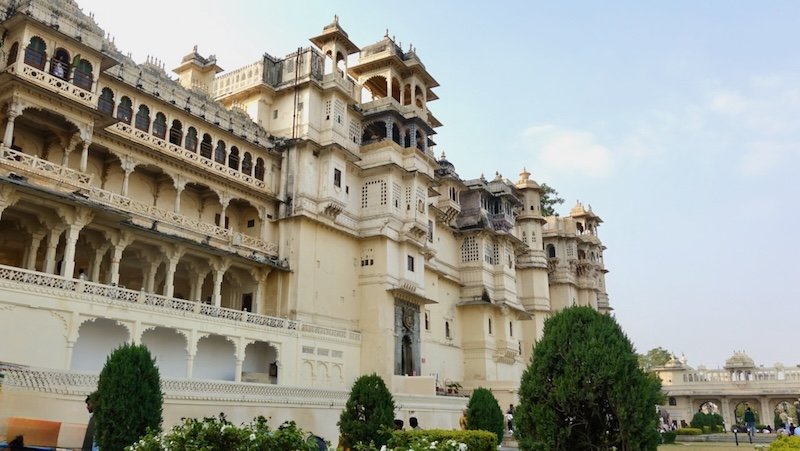
The City Palace of Udaipur appeared before us like a picture-postcard version of Rajasthan: white marble walls and tiers of intricately carved balconies topped by domes and spires. The foundation of the palace was laid in 1559 by Maharana Udai Singh, ruler of Mewar, who was said to have been warned by a hermit that his kingdom was in danger and that Udaipur, located on a lake and surrounded by hills, would provide a safe refuge. The palace he built has grown over the last 400 years into a vast, sprawling complex, with each successive ruler adding to it. The hermit’s advice proved prophetic, for Udaipur was never attacked or captured.
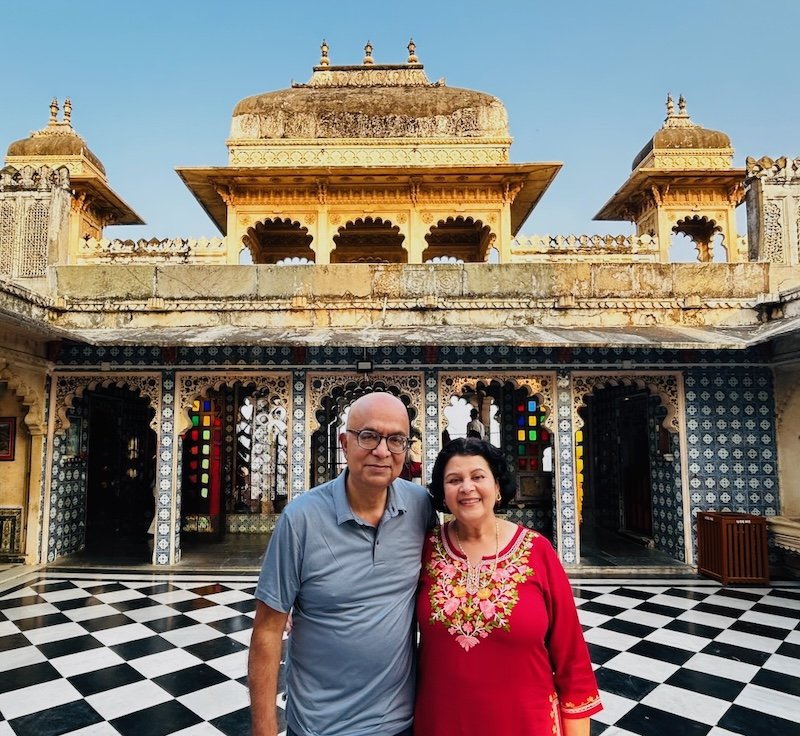
The City Palace has been the setting for royal births, marriages, religious festivals and political intrigues for centuries, making it a living archive of Udaipur’s history. One of the palace's most famous features is the Suraj Gokhada, or Balcony of the Sun, where every morning the King would appear so that his subjects could see him, a ceremony that affirmed his role as protector of the kingdom. We stepped out there to get a spectacular view of the city of Udaipur stretching for miles below us.
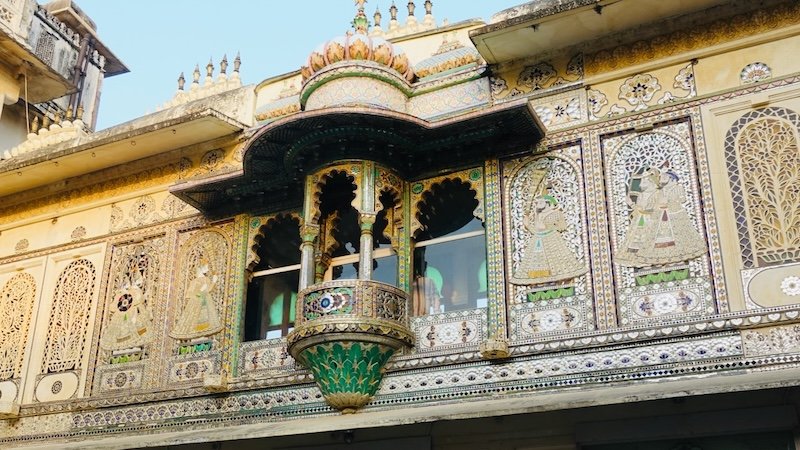
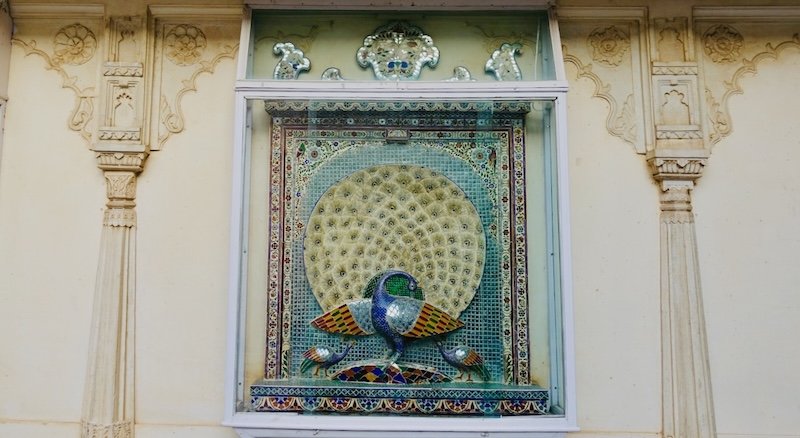
The Mor Chowk, or Courtyard of Peacocks is decorated with intricate mosaics of tile and glass and is a masterpiece of Rajasthani art. The peacocks symbolize prosperity, beauty, and renewal and are still stunning after 400 years.

Whereas the City Palace served as a center of administration and state ceremonies, the Lake Palace, which is a short distance away, was meant to be a royal pleasure palace. Built in 1743 on a natural island in Lake Pichola and constructed entirely of white marble, it seems to float delicately on the lake. The Lake Palace was designed to provide cool breezes during Rajasthan's hot summers, with open courtyards, fountains, gardens, and pavilions surrounded by water. Here the royal court entertained guests, enjoyed music and poetry and celebrated festivals. Now, this palace has been turned into a fabulous hotel where people can enjoy a princely stay.
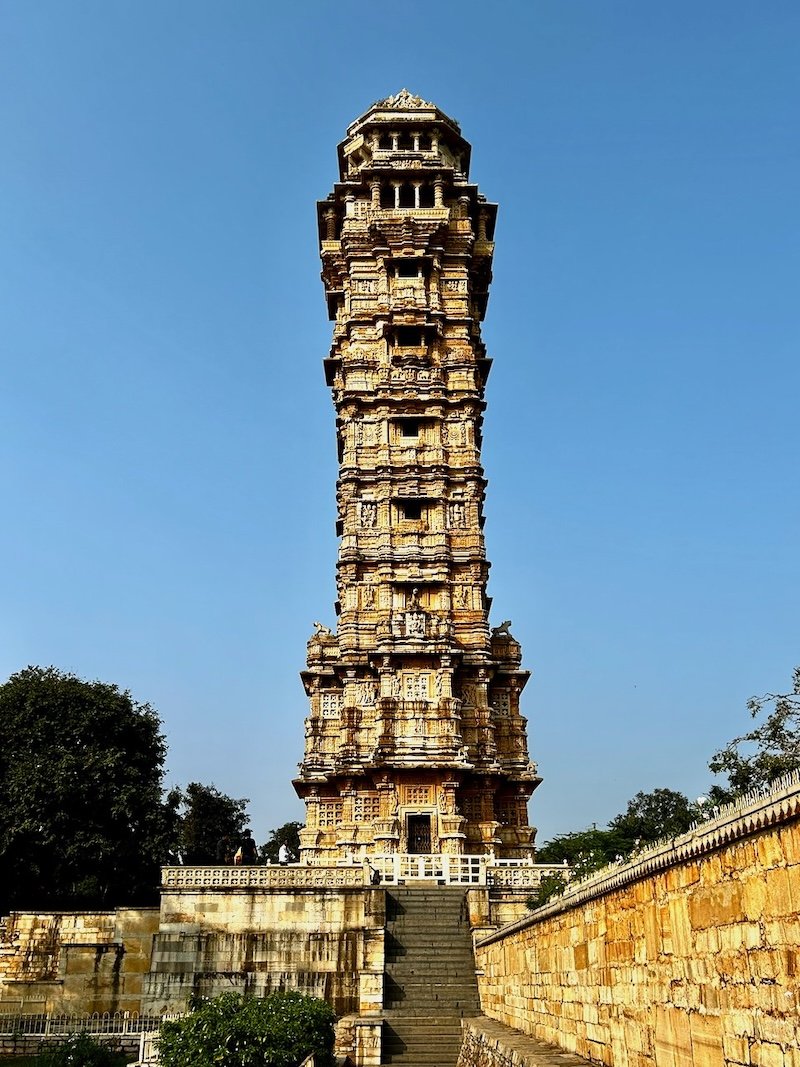
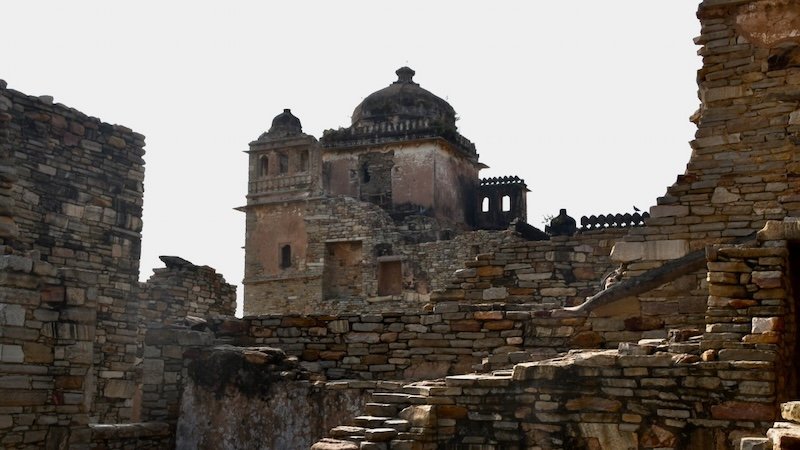
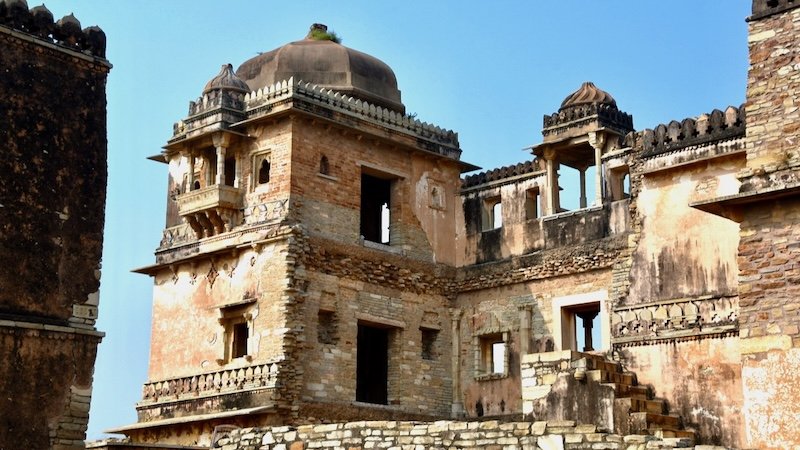
The great fortress of Chittorgarh was the capital of Mewar prior to the founding of Udaipur, and is far older, with its origins dating back to the seventh century. It is built atop a steep plateau that rises high above the surrounding plain. Massive walls with seven fortified gates, which made it one of the strongest hill forts in medieval India, enclose water reservoirs, temples, and palaces. The enormous Vijay Stambha is the best known monument in Chittorgarh, a nine story tower carved with Hindu deities and inscriptions built to commemorate a victory by a fifteenth century ruler of Mewar.
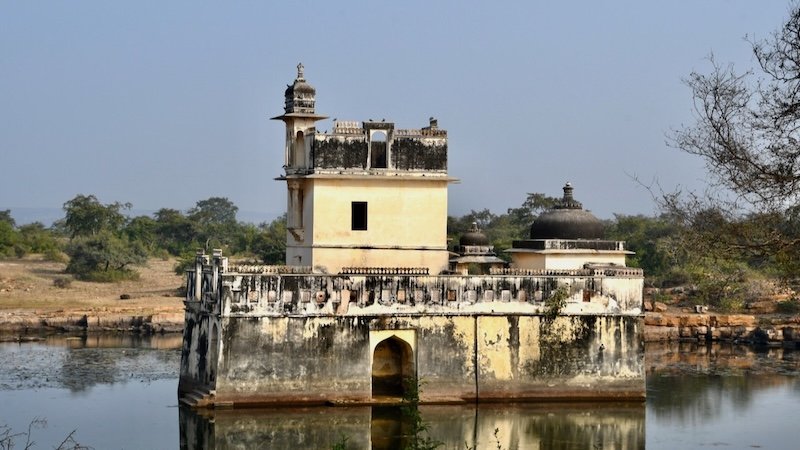
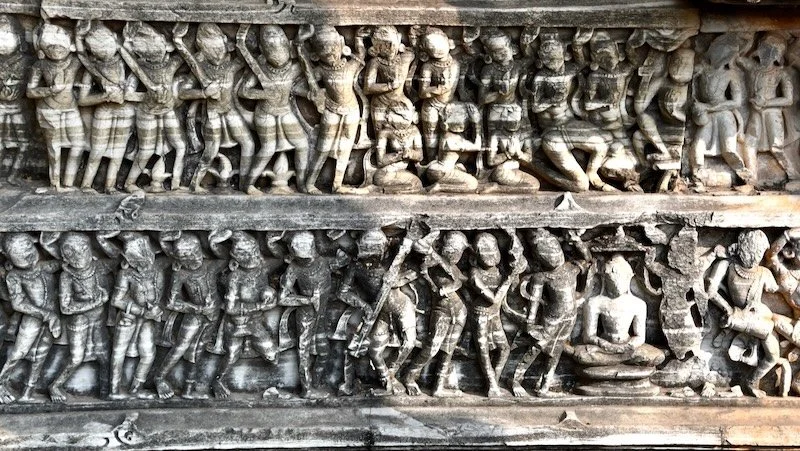
Chittorgarh withstood repeated attacks and sieges before it fell in 1568 to the army of the Mughal Emperor Akbar. The Mewar court had already moved to Udaipur by this time, but the battle occupies a prominent place in popular folklore in India, making Chittorgarh synonymous with courage, loyalty, and resistance in the face of overwhelming odds. It has been the setting for many popular movies over the years.
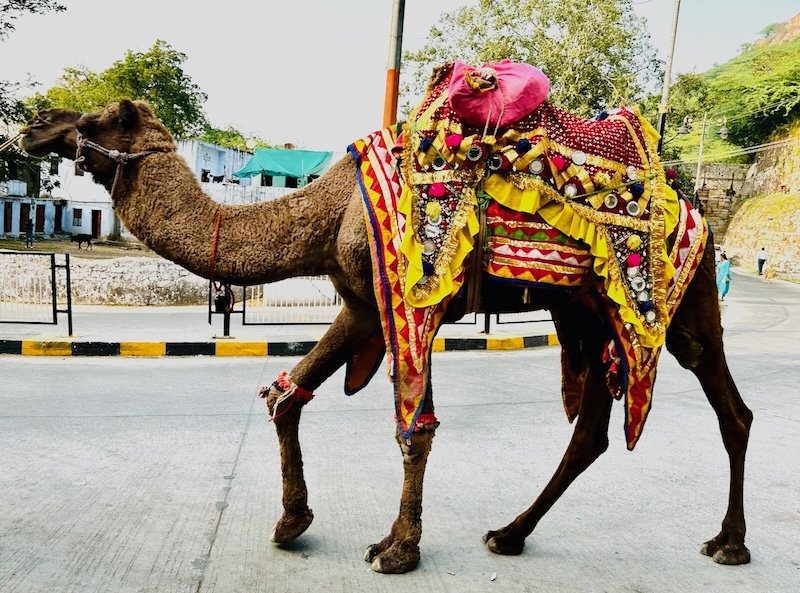
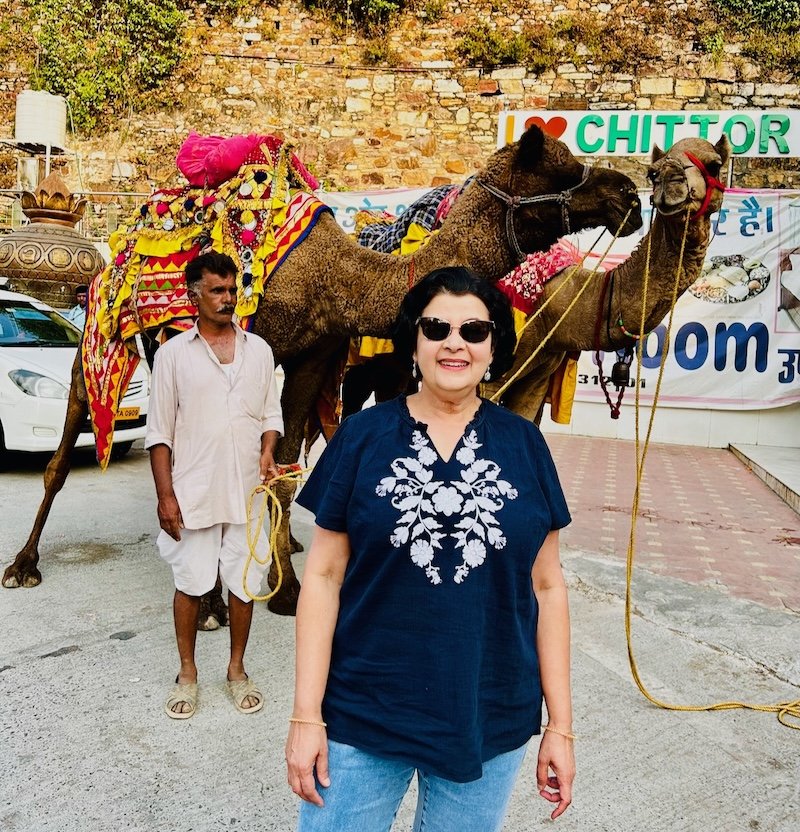
The drive from Udaipur to Chittorgarh is easily accomplished in a couple hours by car. On the way you will see colourfully bedecked camels strolling by the side of the road, giving you ample opportunities to shoot a photo with them. Camels are an iconic sight in the landscape of Rajasthan, playing an important role in its heritage, culture and of course transportation. There is even a celebrated camel fair once a year in Pushkar which draws huge crowds of tourists.
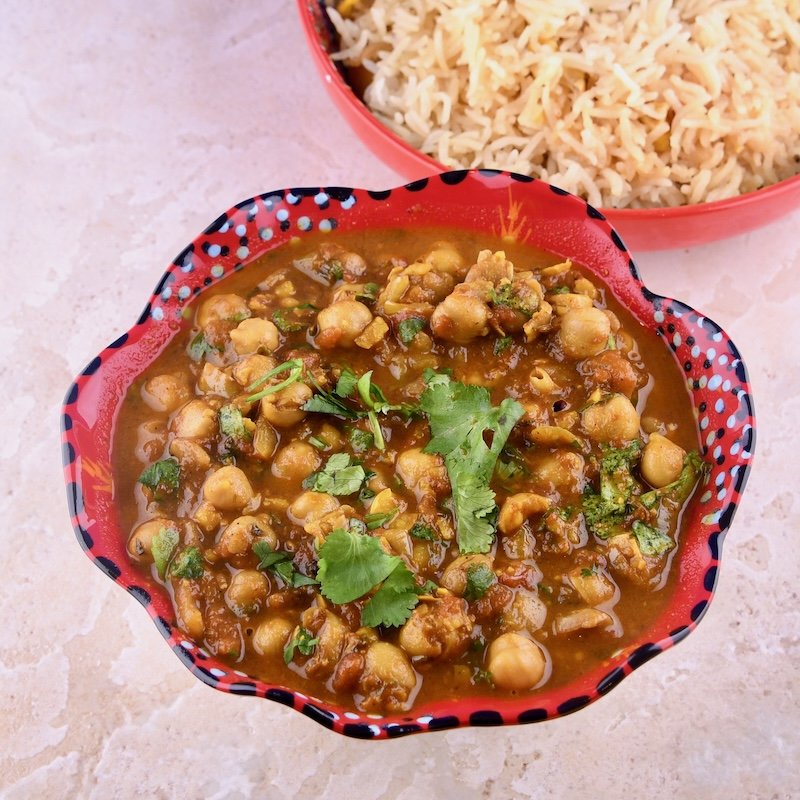
If you stop at any of the roadside restaurants along the way, you are sure to come across the immensely popular Chana Masala on the menu. It being one of our favourite things to eat, we often stopped for a wonderful meal of chana masala, tandoori paratha and a glass of lassi to wash it all down!
Chana Masala
A classic restaurant favourite, Chana Masala is easy and satisfying to make at home. Cooking up dried chickpeas is key to this recipe because of all the flavour, nutrition and texture they add to the finished dish. Home made Chana Masala Powder, makes all the difference and is worth making from scratch. It can be used in any other Indian recipe as well and keeps for a long time in an airtight container. However, I have also given directions for making the dish without it. For more recipes on spice blends, find inspiration here!
1 cup dried chickpeas
1 tsp black or regular salt
Or use 1 can (540 ml) of chickpeas, drained and rinsed and skip the next step
Prepare chickpeas:
Soak chickpeas overnight in lots of water. Drain, rinse and cook in a covered saucepan on low heat, with 4 cups of water and salt, until very soft, tender and mushy. This should take about an hour or longer. You can also use a pressure cooker or Instapot for this step. Reserve chickpeas and cooking liquid for later use in the recipe.
Prepare the Masala:
2 tbsp oil
½ tsp cumin seeds
½ inch piece ginger, grated or minced
2 cloves garlic, finely chopped
1 medium onion, finely chopped
4 ripe tomatoes, canned or fresh, finely chopped
Salt to taste
1/2 tsp each: garam masala, ground cumin, ground coriander, dried fenugreek leaves, turmeric, cayenne pepper
or use
2 tsp Chana Masala Powder
2 tbsp chopped fresh coriander
1 tbsp each: ghee or butter, lemon juice
Warm oil in deep skillet over medium high heat. Add cumin seeds and let them sizzle for 30 sec. Add ginger and garlic and sauté lightly for 30 sec. Add chopped onions and sauté until lightly browned, about 5-7 min. Add tomatoes and cook for 5-7 min until lightly thickened and softening into the sauce, mashing and stirring occasionally. Add cooked chickpeas and 2 cups of water or the reserved cooking liquid. Add the chana masala powder, if using or all of the spices listed above, as well as the salt. Cover skillet and bring to a boil, then reduce heat to low and cook for about an hour or until the cooking liquid has thickened around the chickpeas and spices are mellow. Stir occasionally, mashing the chickpeas lightly to help thicken and flavour the sauce. If there is too much liquid at the end of cooking, uncover skillet and boil off excess. You should be left with a thick sauce clinging to the chickpeas.
Remove from heat and fold in the fresh coriander, ghee or butter and lemon juice.
Serves four