Coconut Chicken Curry In Kandy, Sri Lanka
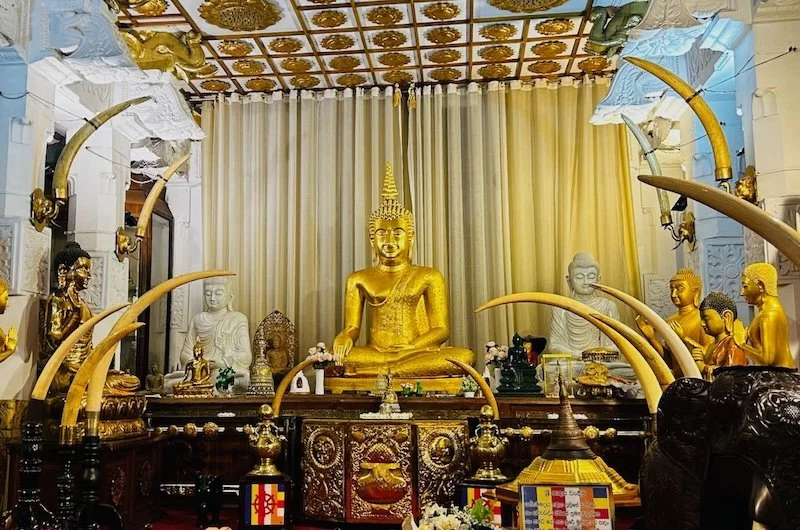
Kandy was at the top of our list of places to visit during our recent trip to Sri Lanka. Located in the mountains of central Sri Lanka, Kandy was the ancient capital of the country and is still its cultural and religious heart. Its most famous monument is the Temple of the Tooth, a place that Buddhists consider sacred for it houses a tooth of the Buddha himself. Devotees come from around the world to view the holy relic and many bring babies to receive blessings. Standing in the line of pilgrims waiting to enter the temple, even non-Buddhists such as us were deeply moved by the faith of the worshippers and the beauty of the temple.
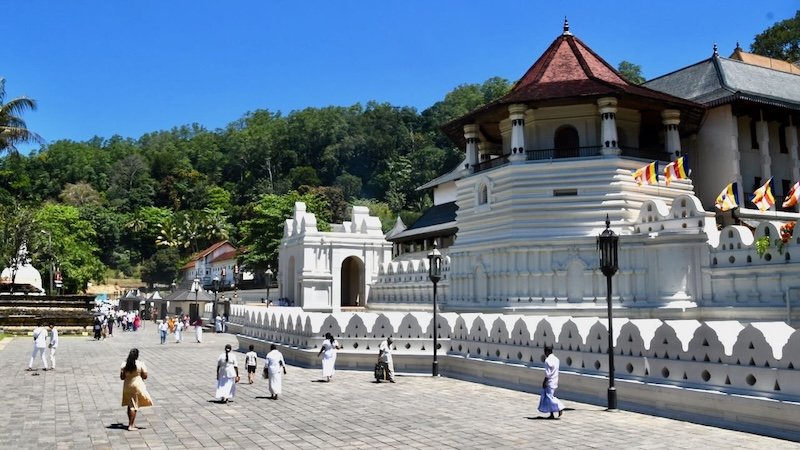
Buddhist legends say that the tooth was originally preserved in the Indian kingdom of Kalinga, but when it fell to invading armies in the 4th century a princess hid the relic in her elaborate hairdo and smuggled it out. She gave it to the king of Sri Lanka for safekeeping and ever since the custodian of the tooth has been acknowledged as the rightful ruler of the country. Reigning monarchs built increasingly elaborate edifices to house the tooth, and the present sprawling building is the latest in a long line of temples.
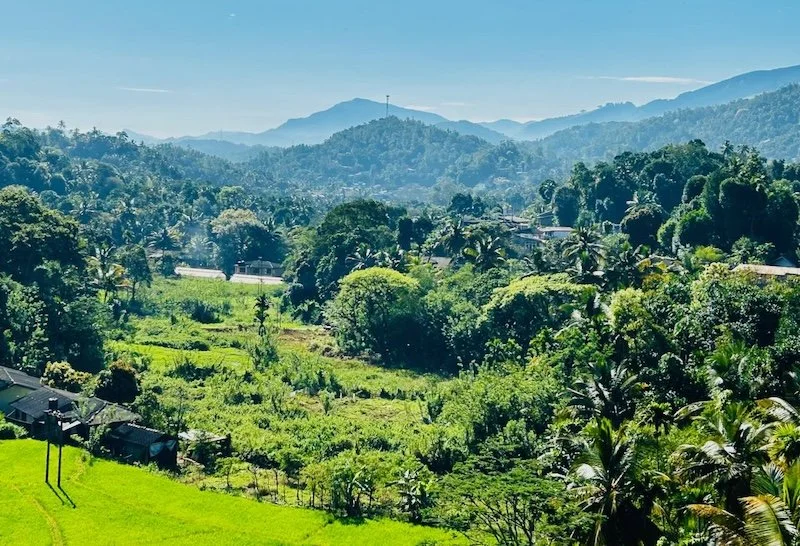
The saying that the “joy is in the journey” may well have been written for the route to Kandy, for we found it breathtakingly beautiful. The rolling hills covered with lush green vegetation were an absolute joy to drive through, with stunning views around every bend. The journey from Colombo to Kandy took several hours because there were so many charming stops along the way.
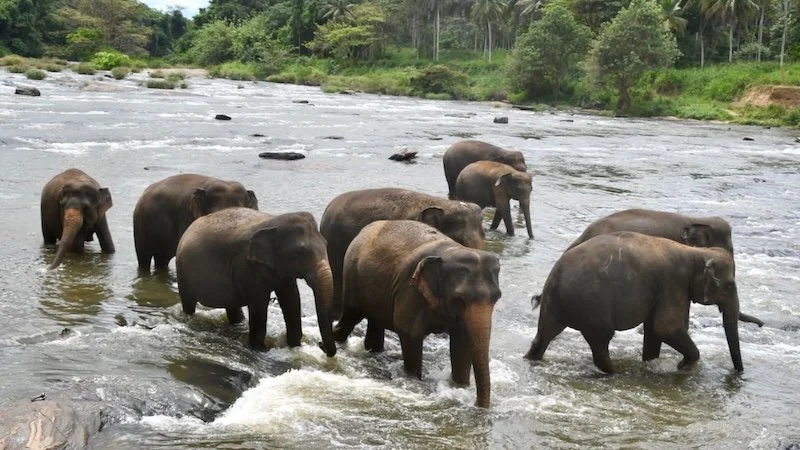
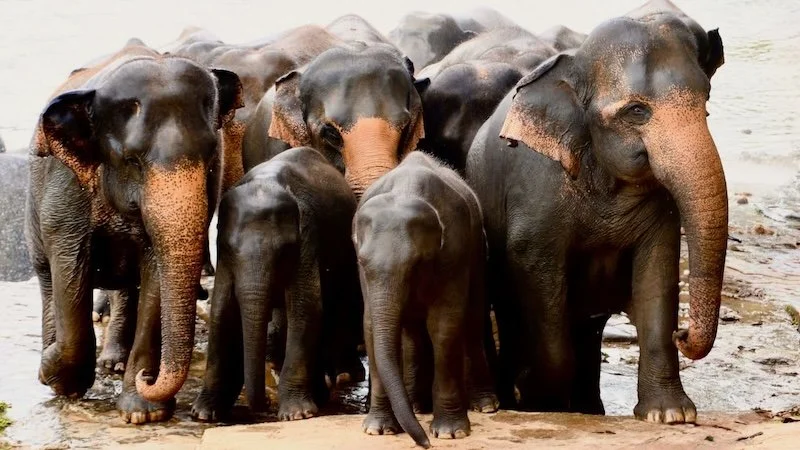
The Pinnawala Elephant Orphanage near Kandy is a unique institution, built to care for baby elephants who have been left injured or abandoned and unable to fend for themselves. The orphanage has become a popular tourist site, with the entry fees going toward maintenance of the large herd that is housed there. We watched as the elephants were fed and bathed in the river. The littlest ones were absolutely adorable as they splashed joyfully in the water!
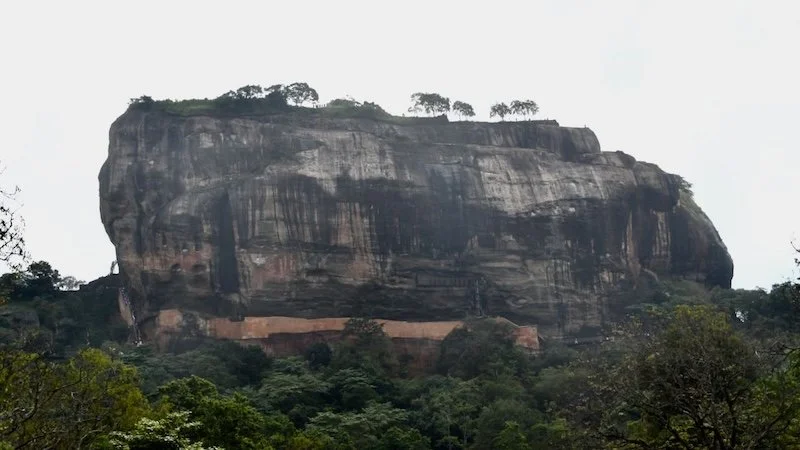
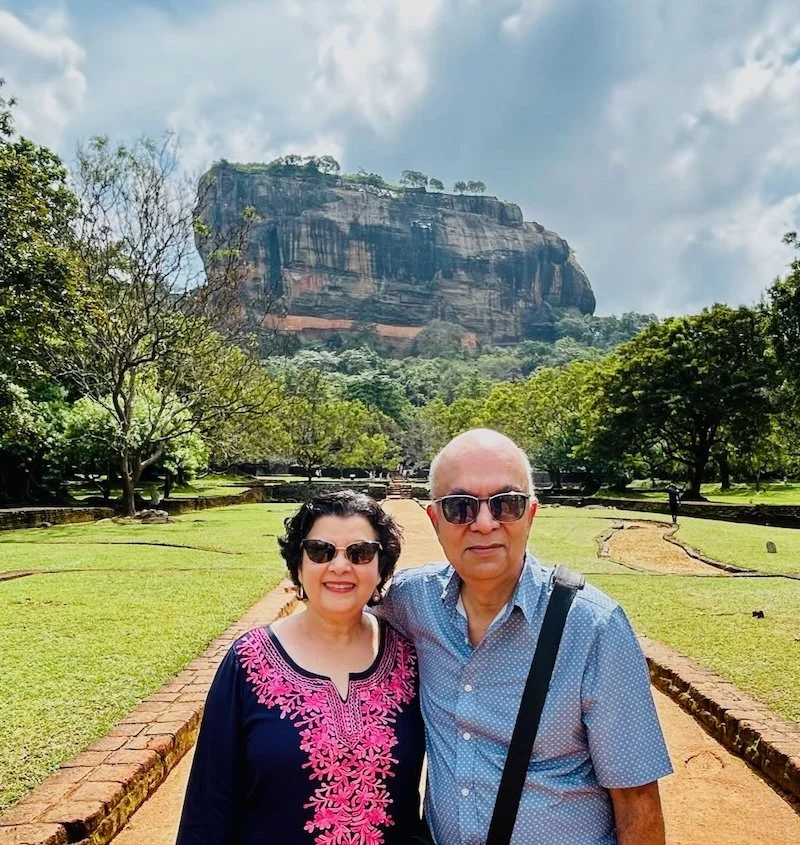
Sigiriya is another remarkable site near Kandy. It is a colossal rock that rises above the surrounding plain, on top of which a 5th century king built his palace and capital. It must certainly have been safe up there, as we can testify after having made a gruelling hour-long trek to the top, scrambling along a narrow path and climbing steep steps carved into the side of the rock. Any invading force would have been as exhausted as we were by the time we reached the top, but the spectacular view was worth the ascent!
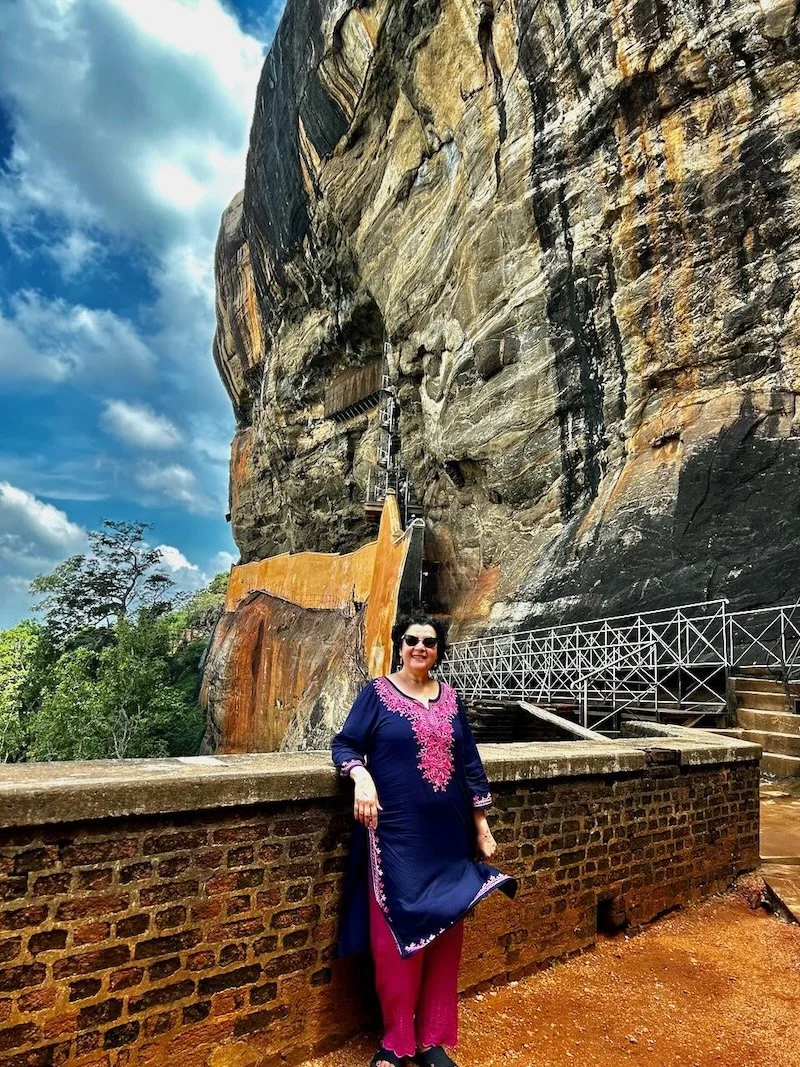
Sigiriya must have been an amazing sight in its heyday, surrounded by extensive gardens, lakes and gates. The main entrance was through a gateway in the shape of a giant lion. The rock faces were covered with murals, of which a few faint, carefully preserved traces remain. The palace was abandoned after a few centuries, but the rock housed a Buddhist monastery for over a thousand years.
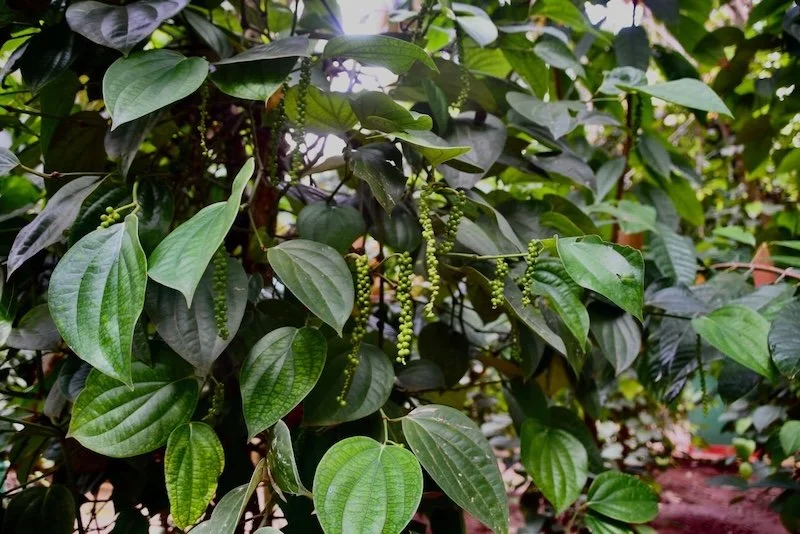
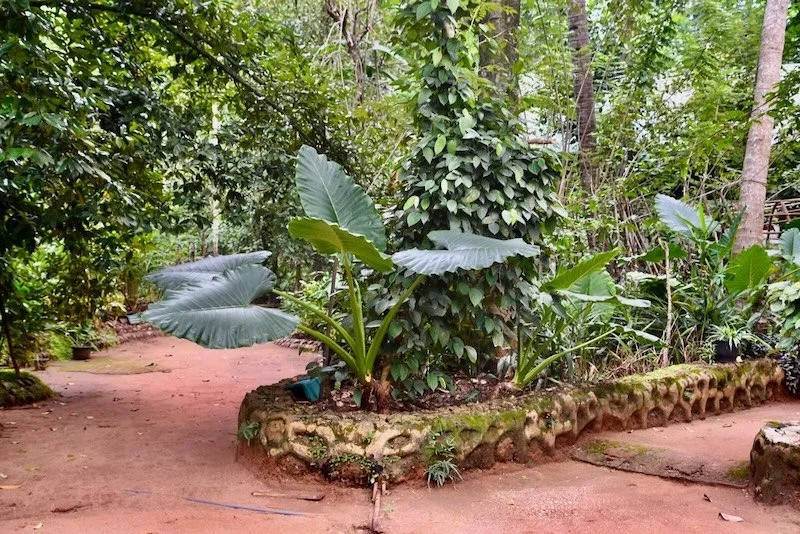
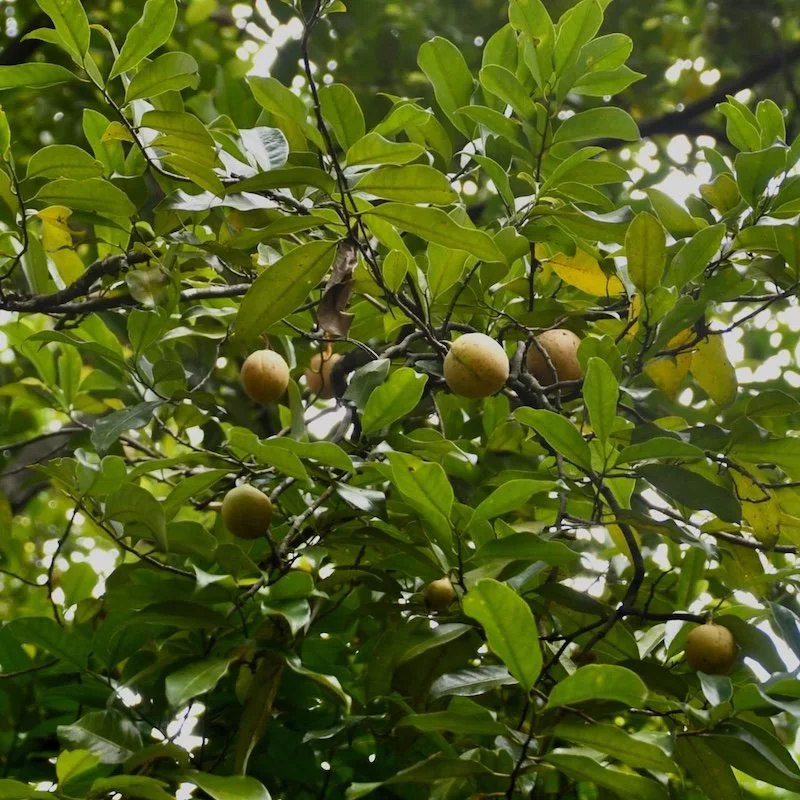
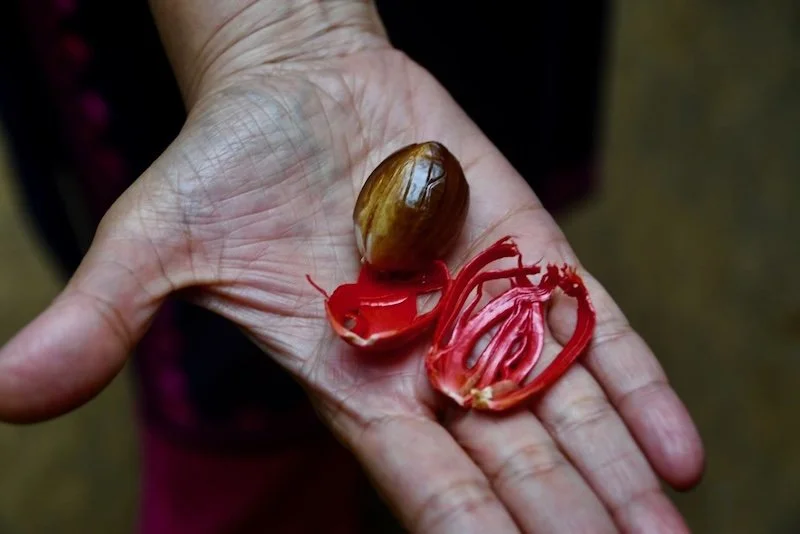
Sri Lanka has always been famous for its spices and still produces some of the best in the world. We stopped at a spice garden to see how they are grown and learned a lot about where our favourite spices come from. We walked through rows of trees that supported pepper vines from which hung bunches of green pepper berries. Harvested and dried these form the black peppercorns we are familiar with. Cardamom bushes bore pods growing near the ground that are plucked, dried and brought to our kitchens. Nutmeg trees were laden with fruit that are split open to yield the seeds that form nutmeg, while the red skin covering them is consumed as mace. A lot of these spices are used in making the famed Sri Lankan roasted curry powder that is used in the preparation of many delicious curries and in my recipe below!
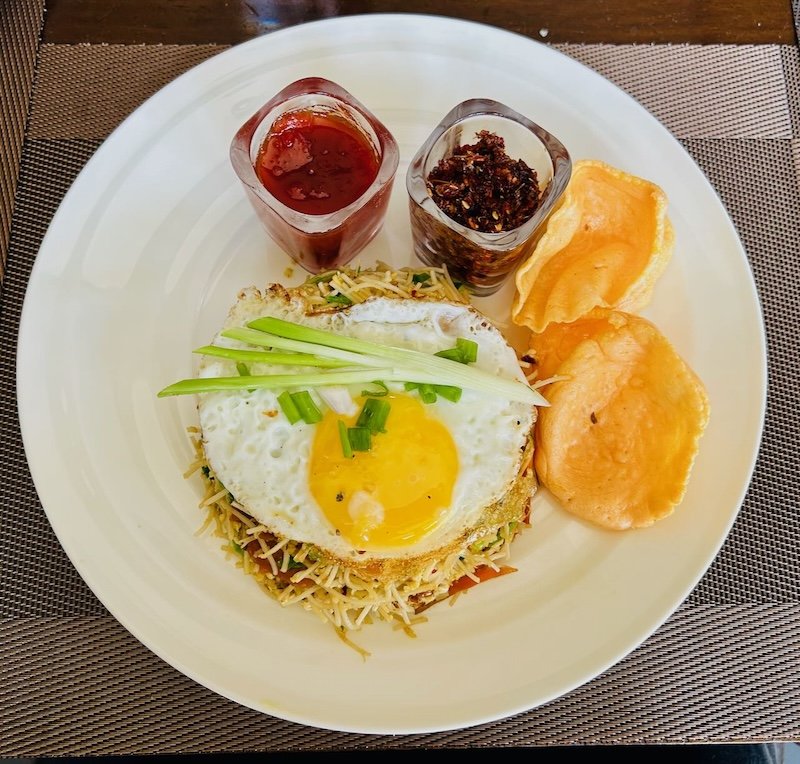
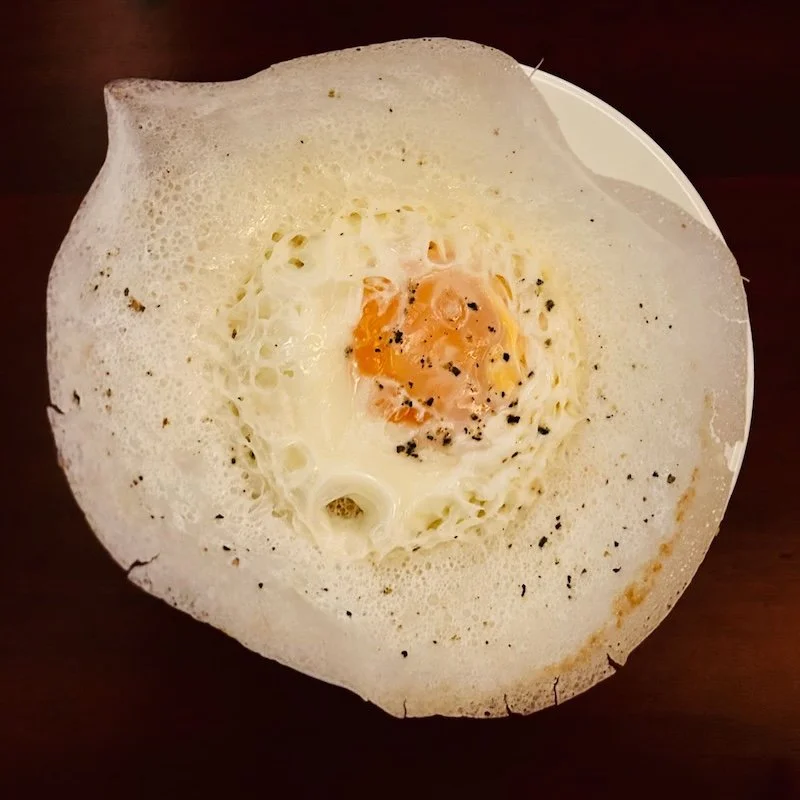
The curries we ate throughout our travels in Sri Lanka were breathtaking in their range of flavours. Prepared with creamy coconut milk, fiery hot with chillies and fragrant with spices, they were often served with rice or appams (a crisp crepe made with rice flour and coconut) and accompanied by fiery sambols (relishes). I couldn’t wait to try my hand at cooking some of my favourites in my own kitchen! To recreate those delicious flavours at home, you need to first make the iconic roasted curry powder and keep it handy for the next time the curry craving strikes.
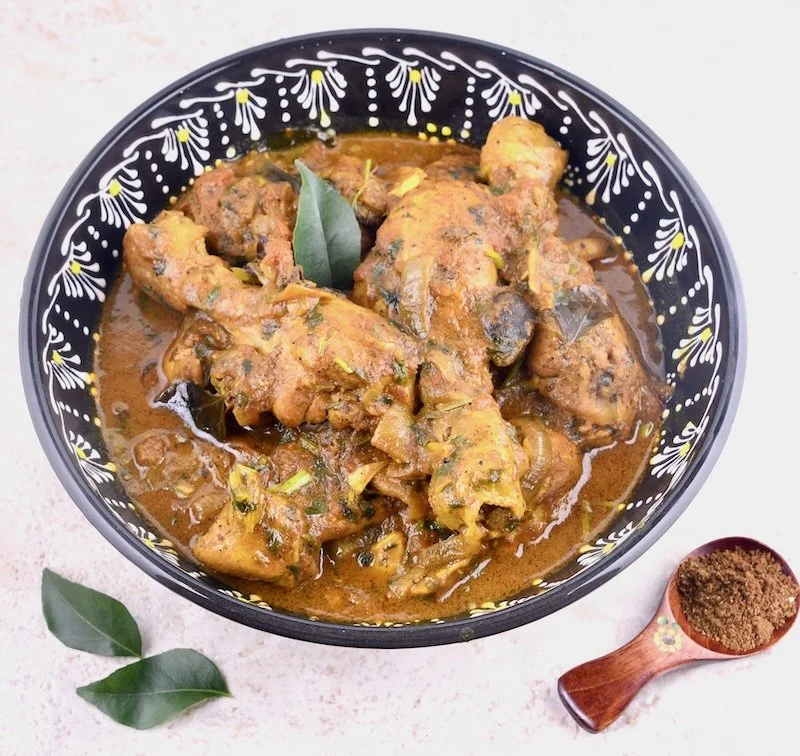
This classic chicken curry from Sri Lanka is easy to make at home and is guaranteed to fill your house with tantalizing aromas! Bone in chicken pieces work best here, adding authenticity and richness to the dish. Extras can be refrigerated or frozen for another day.
Coconut Chicken Curry
2 tbsp oil, preferably coconut oil
4 each, whole spices: green cardamom, cloves
1 inch stick cinnamon
1 red onion, finely chopped
2 cloves garlic, finely chopped
1/2 inch piece ginger, grated or finely chopped
20 fresh curry leaves
Salt to taste
2 tsp Sri Lankan Roasted Curry Powder
1/2 tsp each: turmeric, cayenne pepper (chilli powder)
2 large ripe tomatoes, chopped
2 lb bone in chicken drumsticks, skin removed, (about 8)
2 fresh green chillies, slit down the centre, optional
1 cup rich coconut milk
1 tbsp fresh lime juice
2 tbsp chopped fresh coriander
Warm oil in a deep skillet set over medium heat.
Add the whole cardamom, cloves and cinnamon stick.
Sizzle spices for 30 sec, then add the onions, garlic, ginger and curry leaves. Saute until lightly browned and softened, about 8 min.
Reduce heat to low and add the salt, curry powder, turmeric and cayenne (chilli powder). Stir for 30 sec.
Add the tomatoes and cook them down until they blend into the sauce, mashing them with your stirring spoon to incorporate them into the sauce, about 5 min.
Add coconut milk and 1/2 cup water. Stir to mix.
Add the chicken and green chillies and fold them into the sauce to coat evenly.
Cover and cook until chicken is tender, about 40 min. Stir occasionally to keep it from burning.
Mix in the lime juice and fresh coriander. Serve with rice.
Serves Four