Lamb Rice In Córdoba, Spain
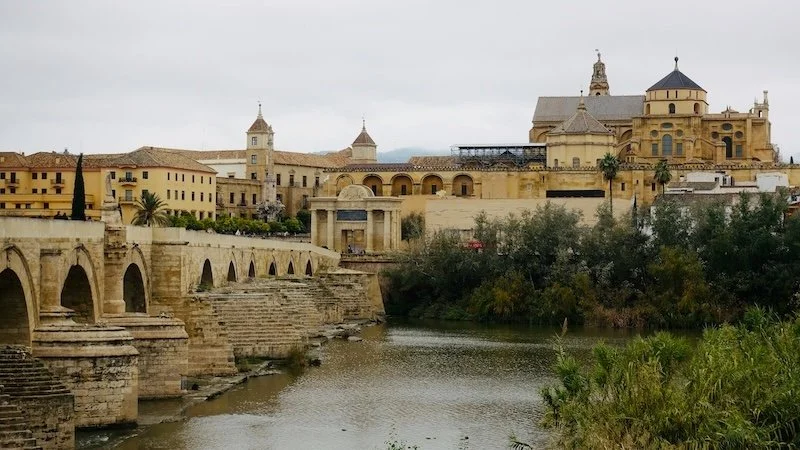
Standing on the banks of the river, looking towards the old city of Córdoba, we were awestruck. The city’s beautiful skyline has been thousands of years in the making. An arched Roman bridge spans the river, leading into the city. The walls and towers of the Alcázar, a medieval Spanish fortress, were visible behind it and to their right rose the tower of the Mezquita, an eighth century Arab mosque that was later converted into a cathedral. Córdoba has been fought over, captured, lost, and rebuilt by many different conquerors, all of whom have left their imprint.
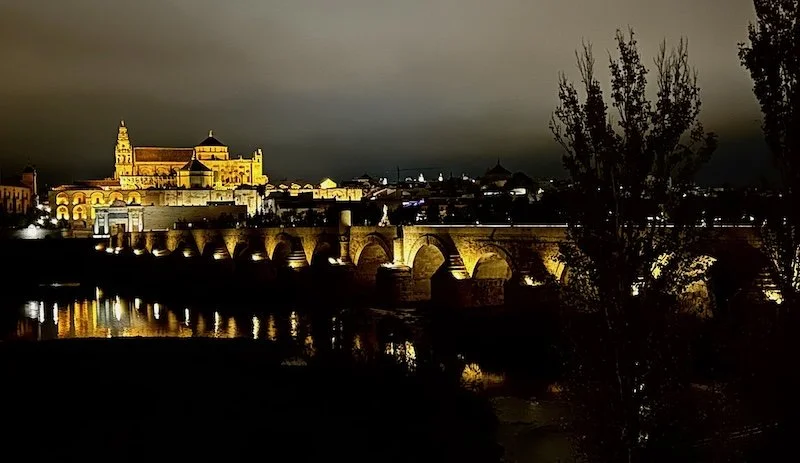
Originally a Roman colony, Córdoba fell to the Visigoths who swept across Spain in the sixth century. Arab armies surging out of North Africa in the eight century seized the city and made it the capital of their Caliphate. Under five centuries of Arab rule Córdoba became a glittering centre of high civilization and learning, growing into one of Europe’s greatest cities famed for its wealth and beauty. The kingdom finally succumbed to civil war and attacks from neighbouring states, surrendering to the Christian ruler of Castile in the thirteenth century.
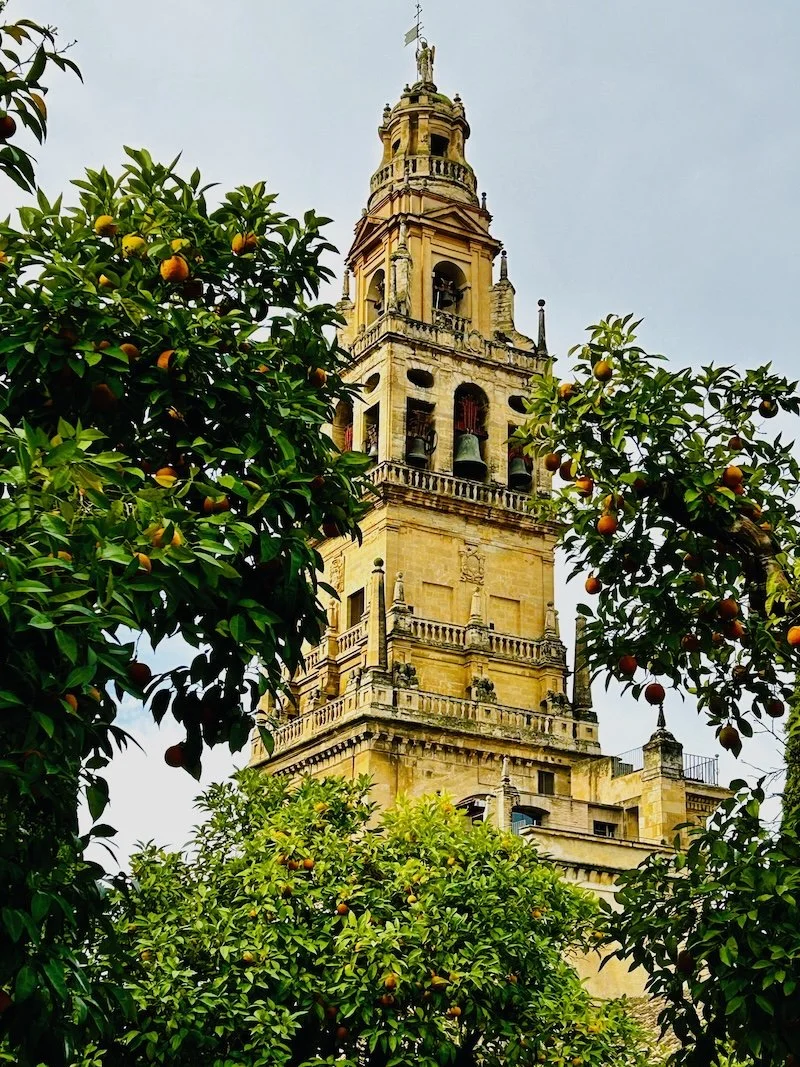
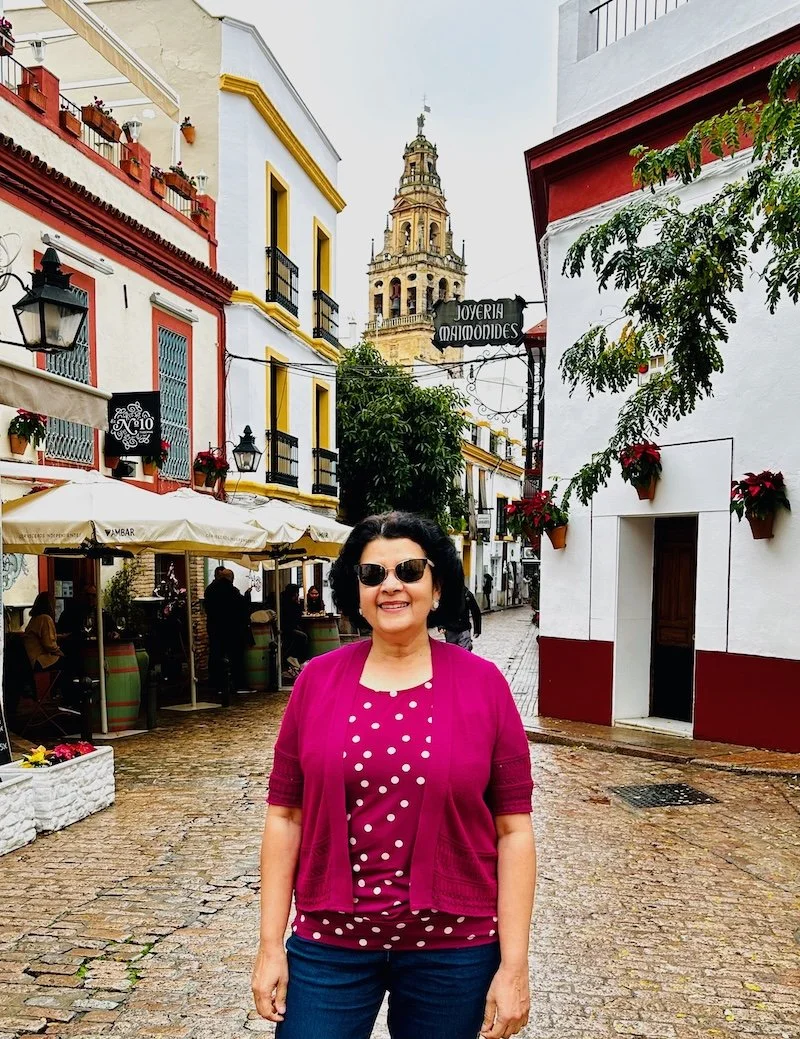
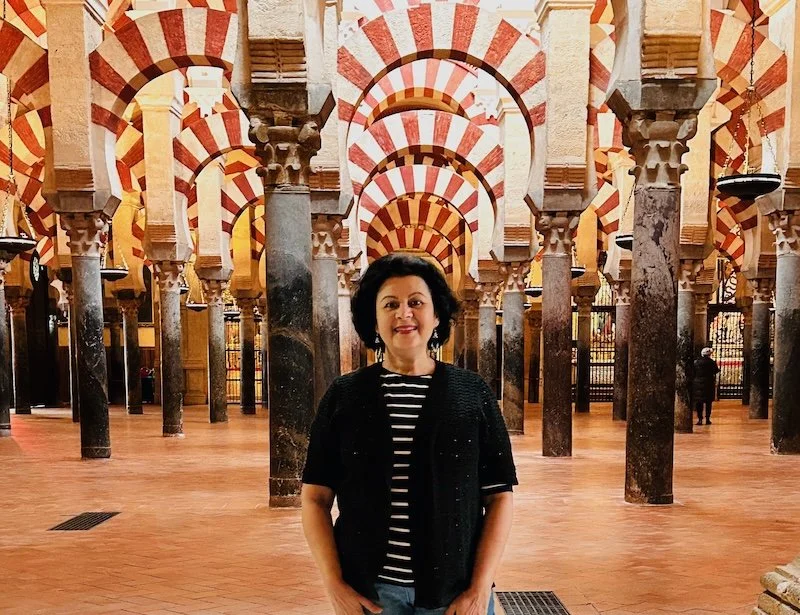
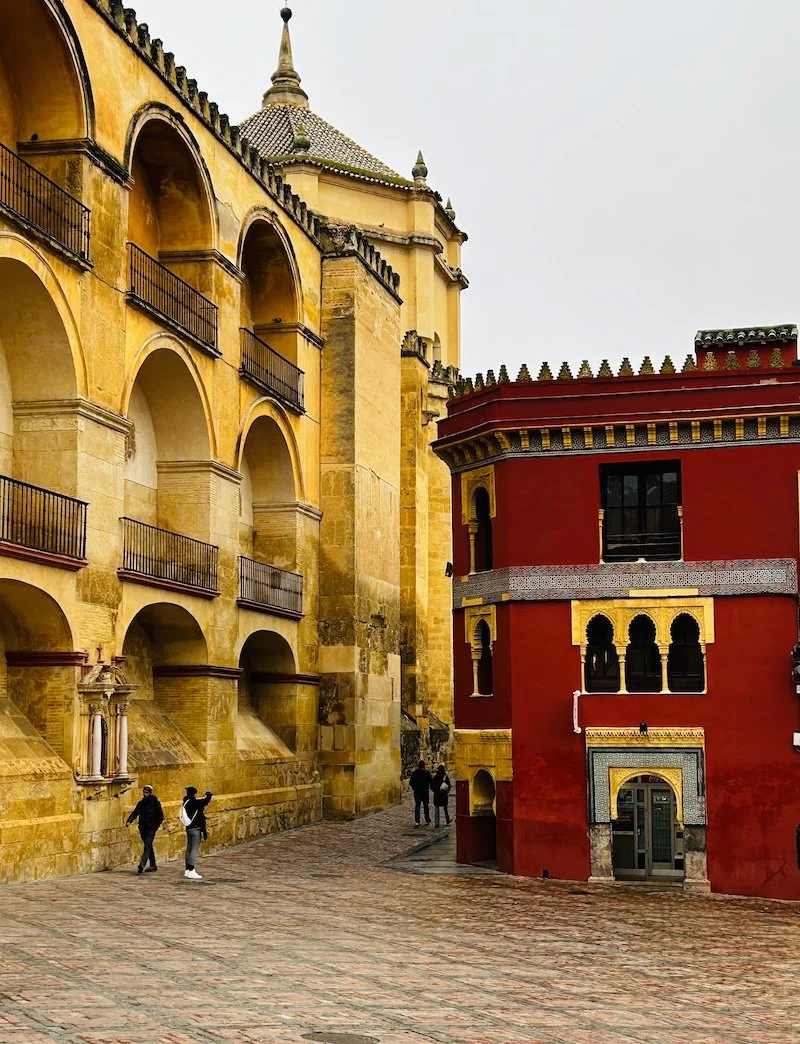
Córdoba has many beautiful buildings well worth visiting, but the one we fell in love with is the Mezquita-Cathedral, a mosque converted into a cathedral. The mosque was built by Arabs on the site of a Visigothic church in the eighth century and is a wonder to behold, with seemingly endless rows of pillars topped by striped arches and a towering minaret overhead. When Christians reconquered Córdoba they found the building so beautiful that they preserved it, but added a cathedral in its centre and converted the minaret into a bell-tower, and so it stands today.
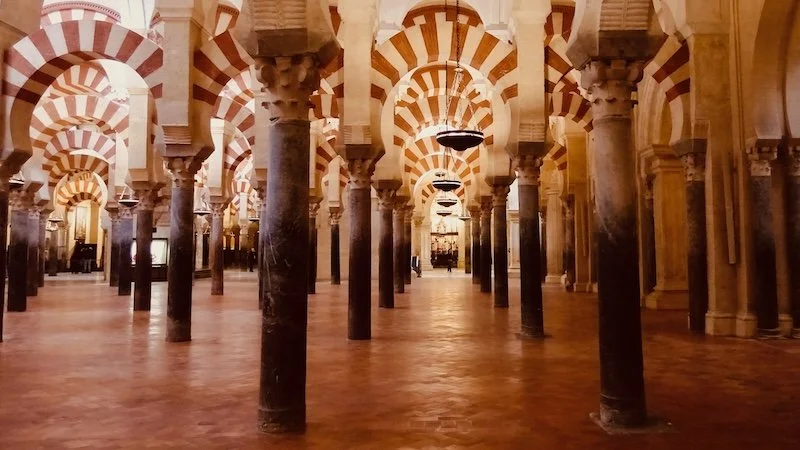
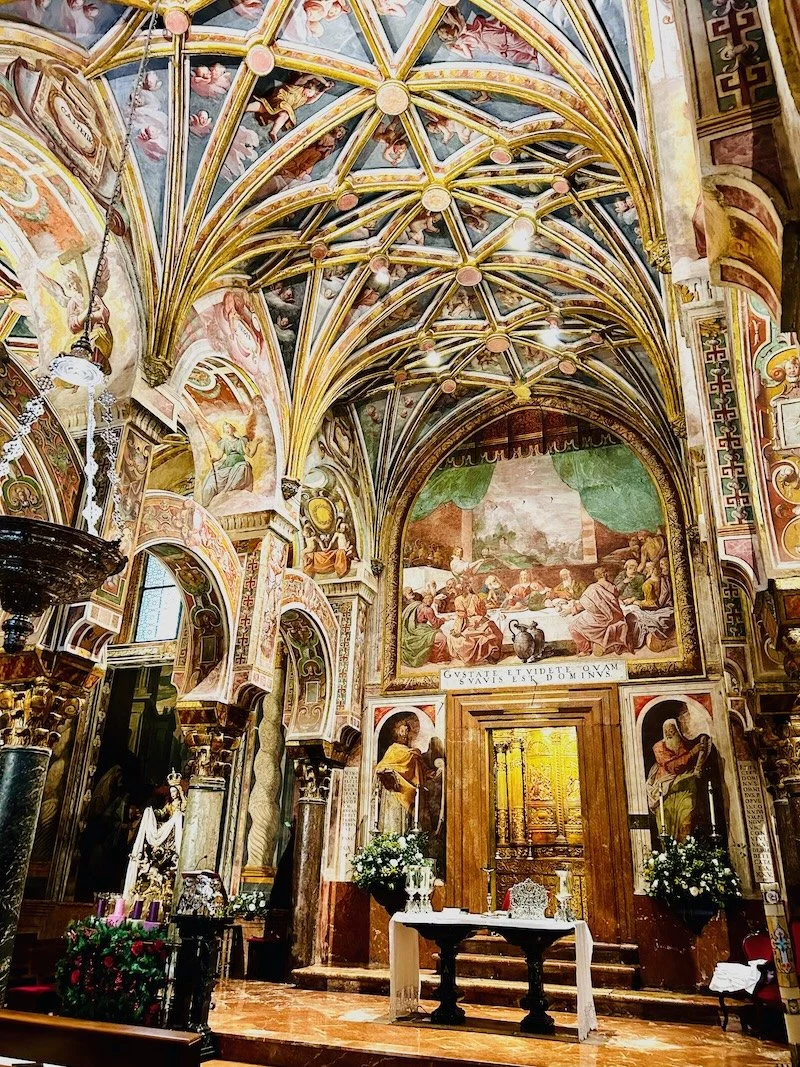
Walking through the lanes of Córdoba we could imagine what a wondrous place it must have been. We passed buildings that once housed the great leather and metal workshops that Córdoba was famous for. Narrow archways opened into the courtyards of gracious houses where wealthy merchants had once lived.
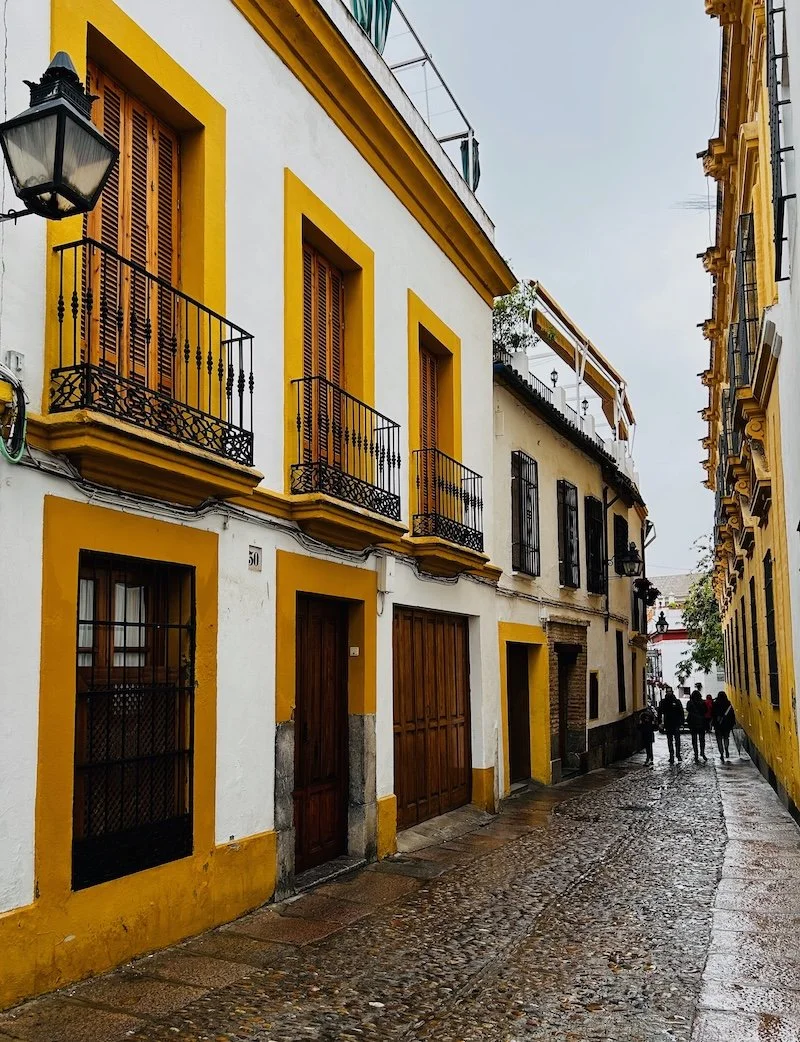
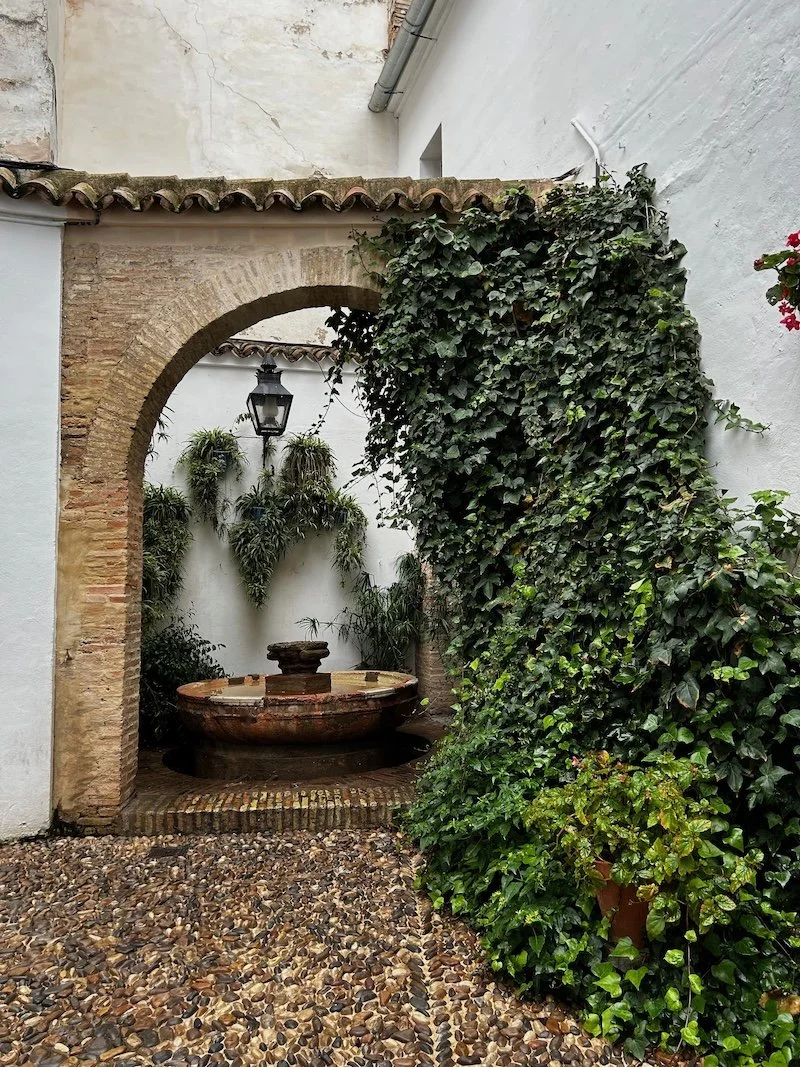
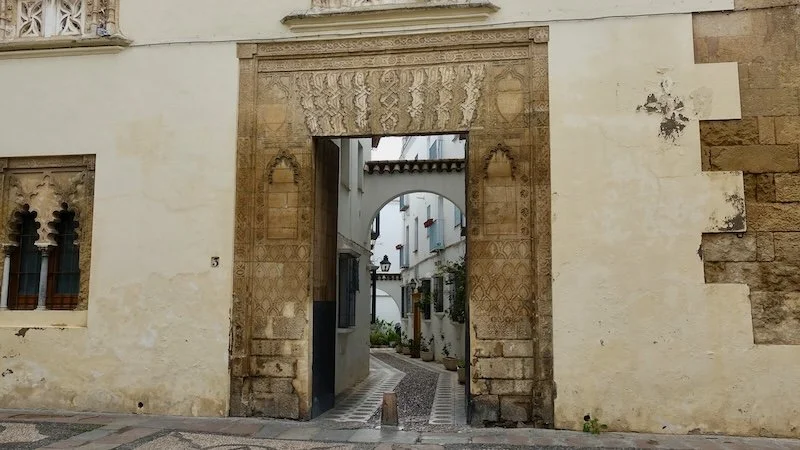
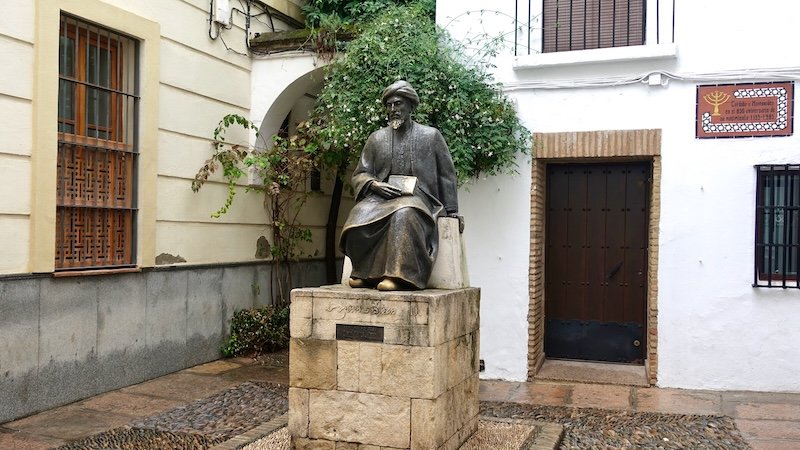
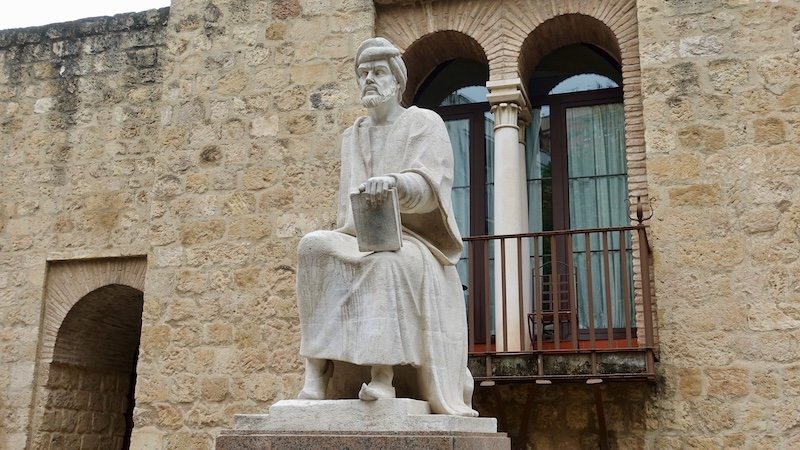
Córdoba was the centre of Jewish learning, and in the old Jewish quarter there is a statue of Moses Maimonides, the great rabbi and scholar, who was born in the city. A short distance away is a statue of another famous Córdoban, ibn Rushd, known in Europe as Averroes, who was renowned for his writings on medicine, astronomy, mathematics, theology and law.
The Arabs transformed the food of Spain by introducing a variety of new spices, fruits and vegetables such as sugar, saffron, oranges, lemons, almonds, and eggplant. One of the most important new ingredients was rice, which had never been grown in Europe before. The word for rice in Spanish, arroz, is the same in Arabic. A paella is testimony to how well these novel flavours were combined in Spanish cuisine.
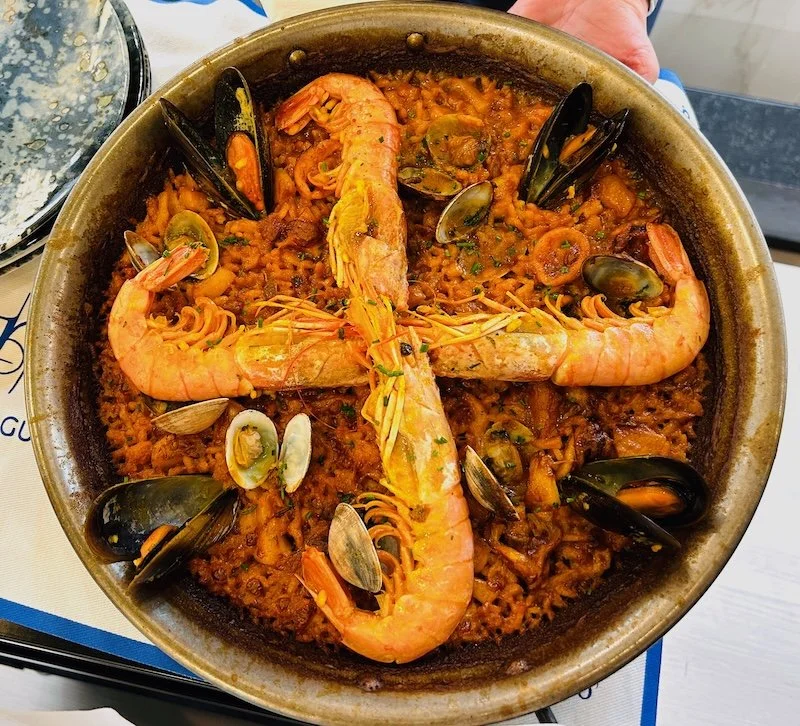
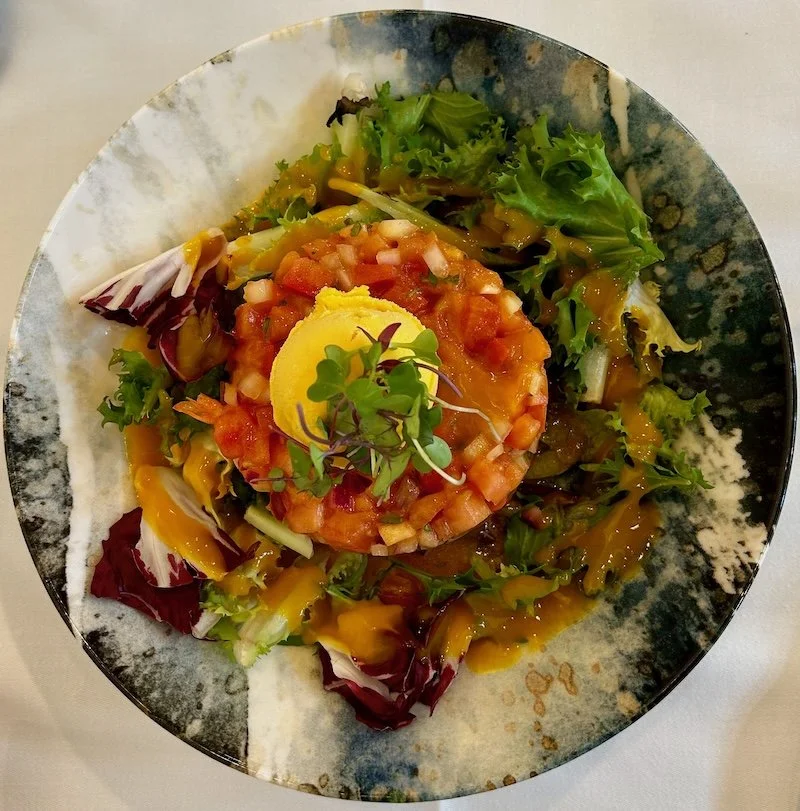
We had a lot of paella while visiting Córdoba for who can resist such a wonderful, flavourful dish! Then there was Salmorejo, a tomato soup thickened with bread and topped with eggs, and Flamenquin - breaded sliced pork rolls stuffed with ham and our favourite: crisp slices of fried eggplant drizzled ever so lightly with honey. The Arab style of cooking rice and lamb together in a rich, flavourful broth is one of our favourite dishes and one that is easily made at home.
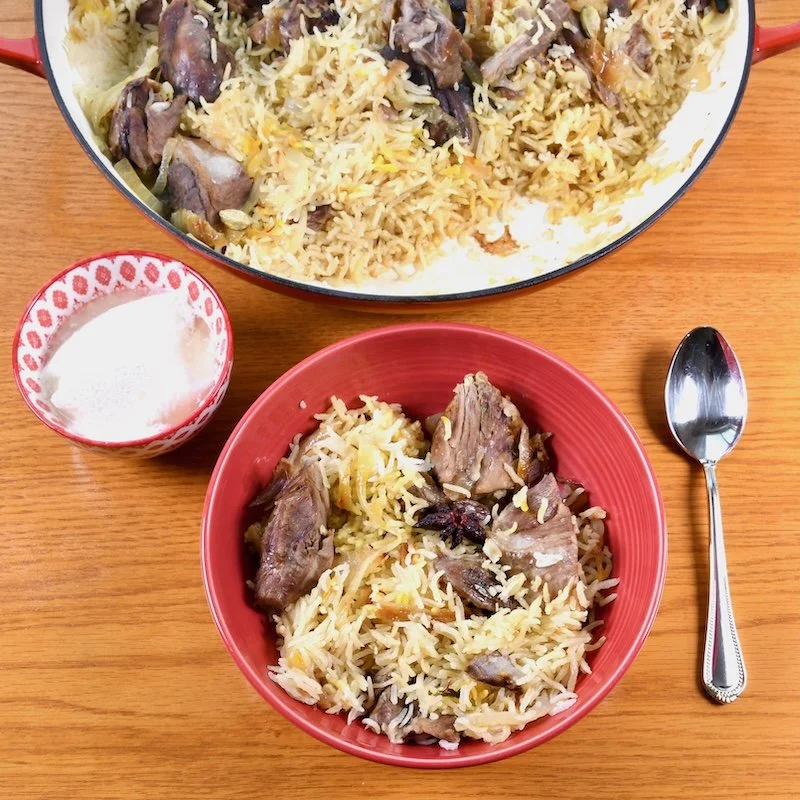
This delicate, aromatic lamb rice pulao is wonderful by itself, with a dollop of yogurt on top or paired with a curry of your choice. You can substitute skinned, bone in chicken drumsticks if you don’t want lamb. The recipe is easily halved and the broth can also be made up to 4 days ahead of time. If you don’t end up using all the broth, you can either freeze it or use it here in this recipe.
Lamb Yakhni Pulao
For the lamb broth:
2 lamb shanks, about 3 lb total
6 cups water
4 cloves garlic
2 inch piece ginger
1 onion
1 tsp each, whole spices: cardamom, cloves, black pepper, cumin seeds, coriander seeds, fennel seeds
2 inch stick of cinnamon
4 whole star anise
1 cup each, fresh herbs: coriander, mint
1 tsp salt
Place lamb shanks in a deep large saucepan, rinsing them first if desired. Top with 6 cups of water. Make sure the lamb shanks are completely submerged, adding another 1 cup of water if necessary.
Roughly chop garlic, onion and ginger and add to the pan along with all the remaining ingredients for the broth.
Bring to a boil over high heat, then cover partially and simmer over very low heat for 2 hours, stirring occasionally in between.
Cool for half an hour, then gently lift out the lamb shanks and reserve them in a bowl. Separate meat in large pieces from the bones (discard bones) and refrigerate covered until needed later in the recipe.
Place a large strainer over a large bowl and strain the broth through that, pressing against the solids to release all the liquid. Discard solids left in the strainer.
Cover broth and refrigerate overnight if desired to remove the layer of fat the forms on top. You should have about 4 cups of broth.
For the Pulao:
2 cups basmati rice
4 tbsp butter or ghee
4 each, whole spices: cardamom, cloves
1 inch piece cinnamon
2 star anise
2 onions, thinly sliced
A pinch of saffron strands
Salt to taste
Reserved lamb and broth
Place rice in a large bowl and wash a couple times under running water, then cover with water and soak for 15 min. Drain in a sieve and reserve until needed.
Warm butter or ghee over mdm high heat in a large skillet or saucepan with a tight lid.
Add whole spices, splutter them for 30 sec, then add onions.
Saute onions until browned, about 10 min.
Add reserved lamb pieces, brown lightly for 2 min.
Add saffron and salt, stir, then add drained rice.
Gently fold rice with onion mixture, then add reserved 4 cups of the lamb broth.
Cover, bring to a gentle boil, then reduce heat to very low and cook for 20 min without uncovering the pan in between. Let it rest for another 10 min before fluffing it up gently and serving.
Serves four-six