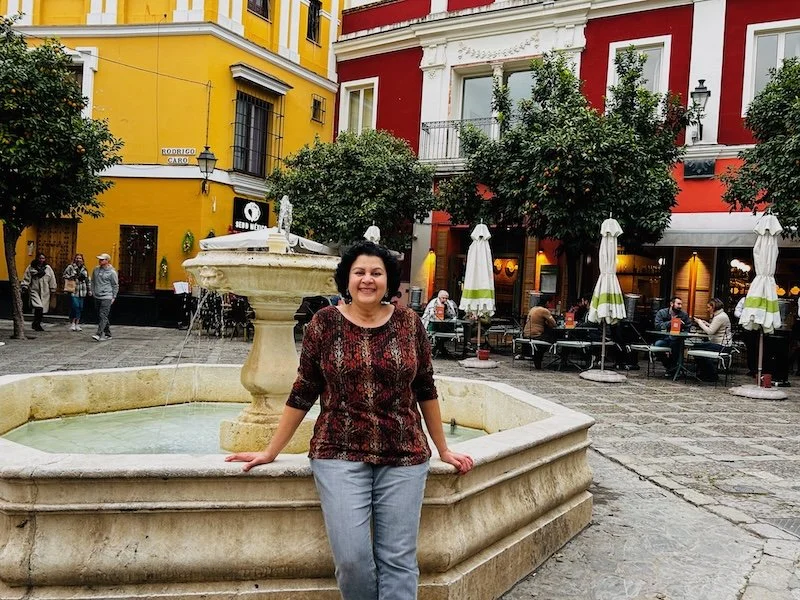
Orange Marmalade In Seville, Spain
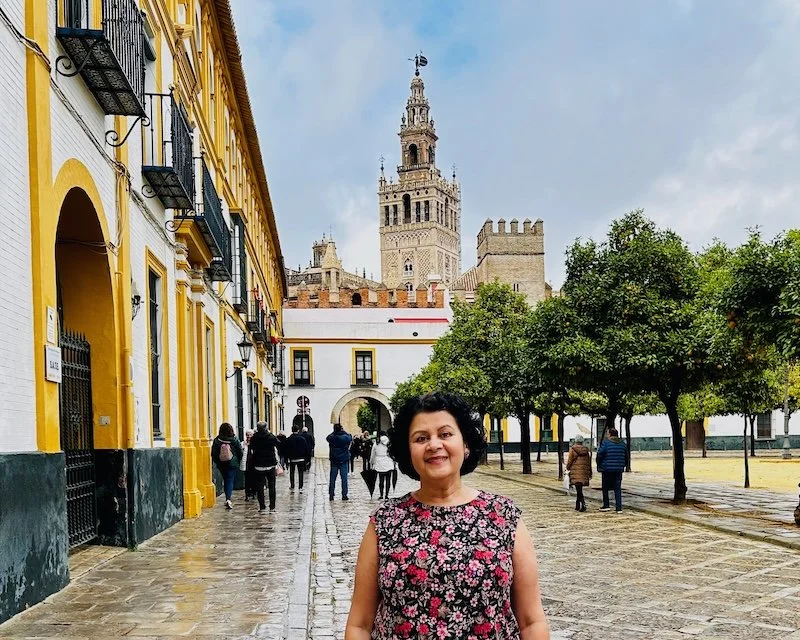
The scent of oranges immediately brings back memories of Seville for us, for it was the first thing that we noticed there. Every street in the city is lined with orange trees and ripe fruit constantly drops from them, perfuming the air. The trees are a memorial to the Moorish rulers of Seville who first planted them more than a thousand years ago, and who rejoiced in the flavour and scent of oranges.
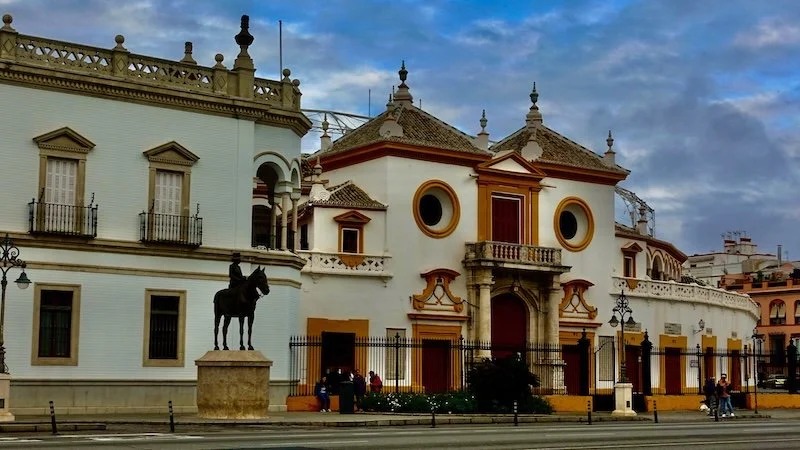
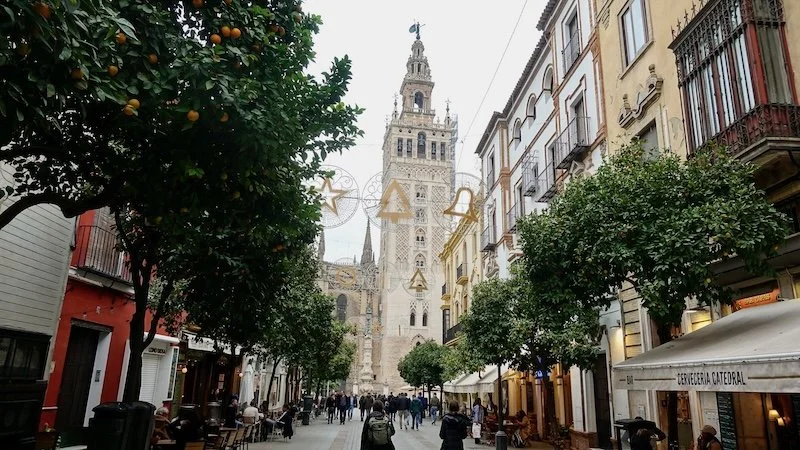
We encountered constant reminders of Seville’s Moorish past. Its most famous landmark is the bell tower of the cathedral, known as La Giralda, which was once the minaret of a mosque. After the Christian reconquest of Seville in the thirteenth century the mosque was replaced by a cathedral, but the minaret was preserved and incorporated into the new building.

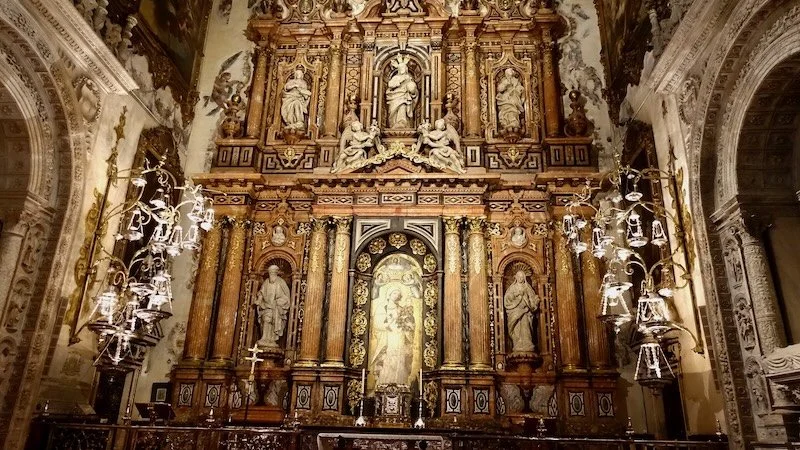

The interior of Seville’s cathedral is a spectacular display of gold, a reminder of the wealth that flooded into Spain from its American colonies. Seville was the main port from which ships sailed for the New World, and to which they brought back its riches. Christopher Columbus lies buried in the cathedral, in a spectacular tomb in which crowned figures carry his sarcophagus.
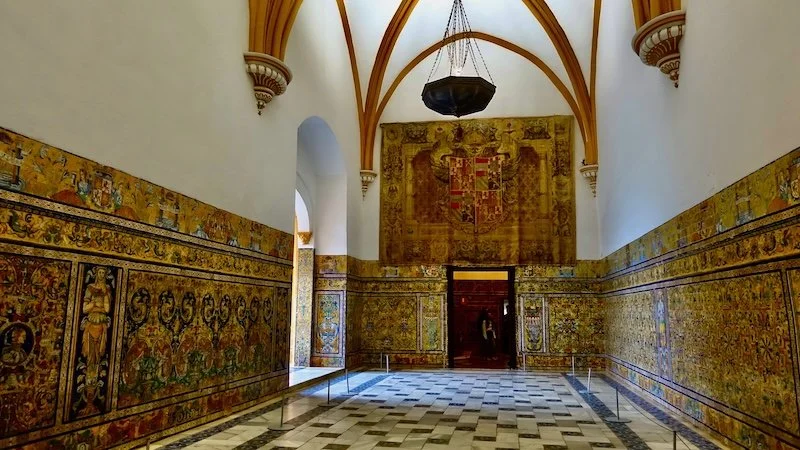
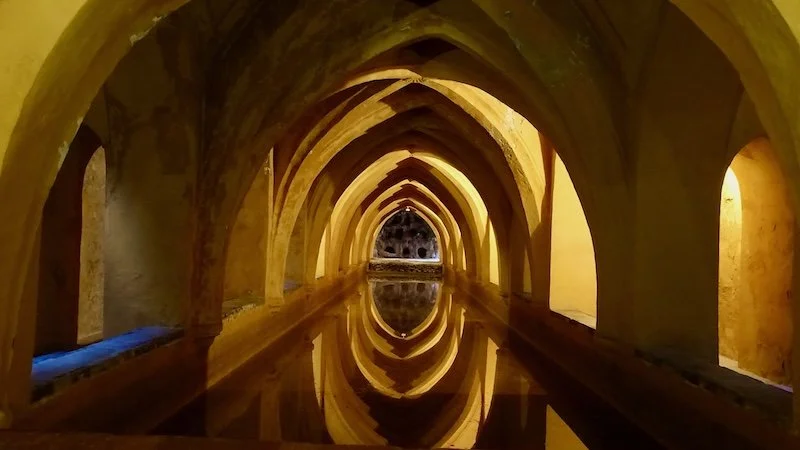
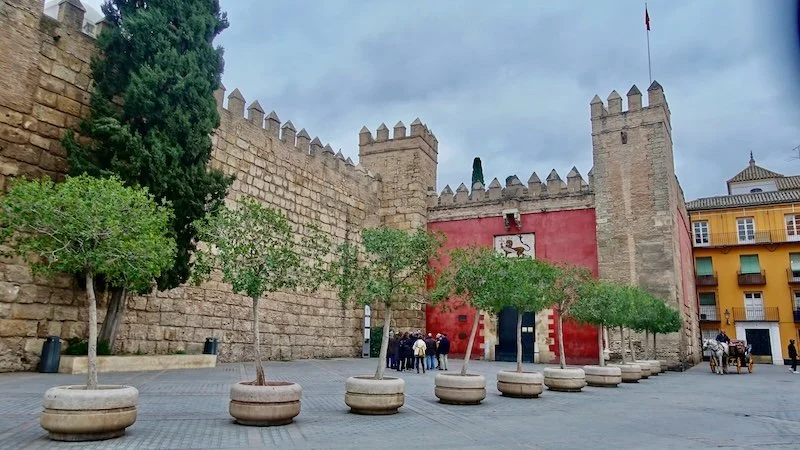
The great citadel of the Moorish rulers was also taken over by the Spanish kings and converted into their palace, the Real Alcázar. Its interior is done in an intricate display of tiles, which were produced in great quantities in Seville. There is an elaborate system for transporting water underground, and bathhouses for the residents of the palace.
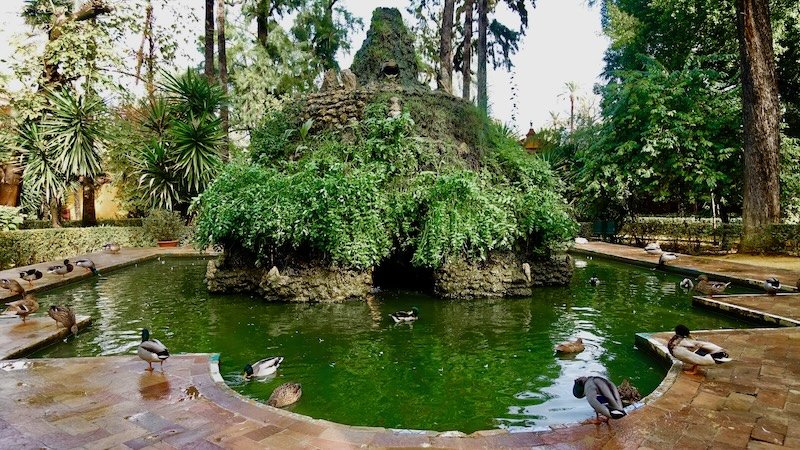
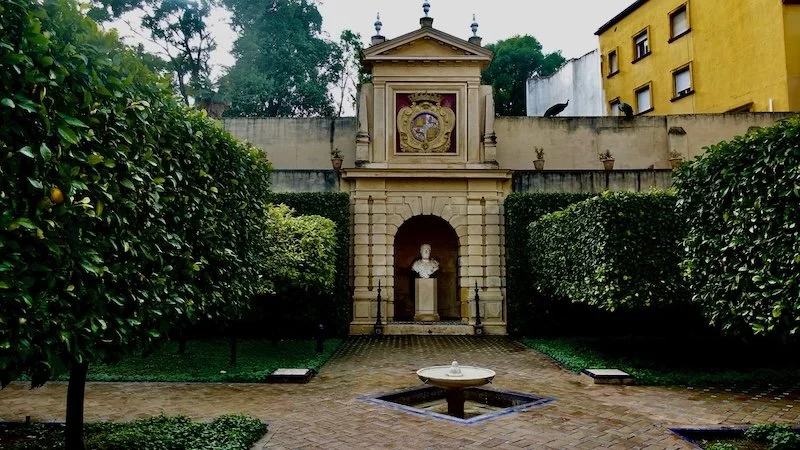
The exterior grounds of the palace were a very important part of Islamic architecture and culture, where paradise was often compared to a garden. It was a delight for us to stroll in the park surrounding the Alcázar, which is beautifully laid out with a variety of flowers and plants, water fountains and pools, sculptures and walkways.
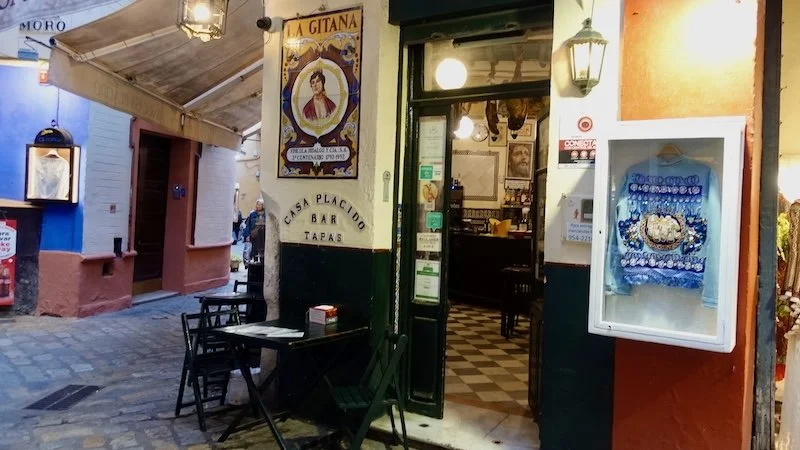
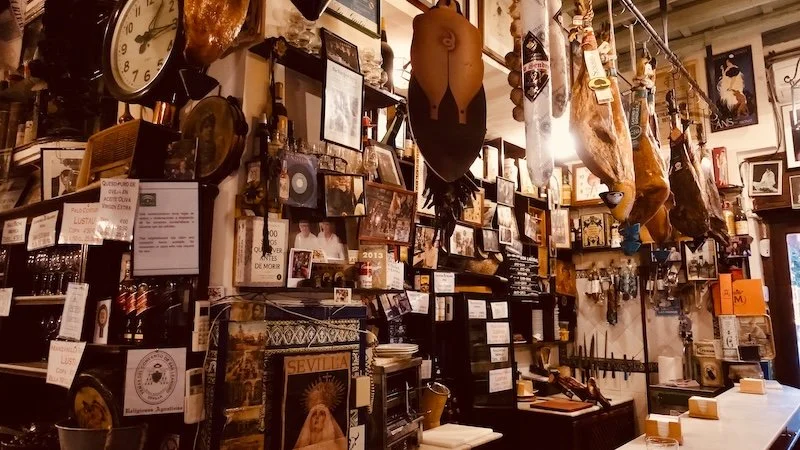
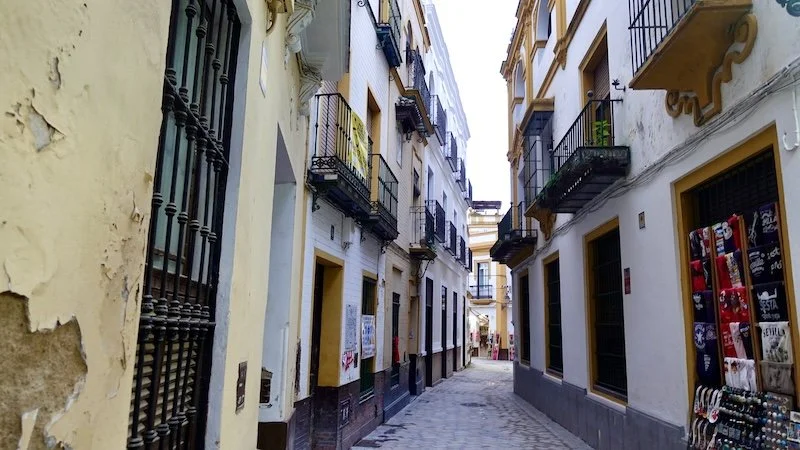
Close to the cathedral and the Alcázar is the Barrio de Santa Cruz, which was once home to a thriving Jewish community that was sadly expelled from Spain in the late fifteenth century. These neighbourhoods fell into decline for many years, but are now a wonderful maze of lanes lined with cafes and tapas bars. We spent hours wandering through the labyrinth of streets, getting delightfully lost while feasting our way through them!
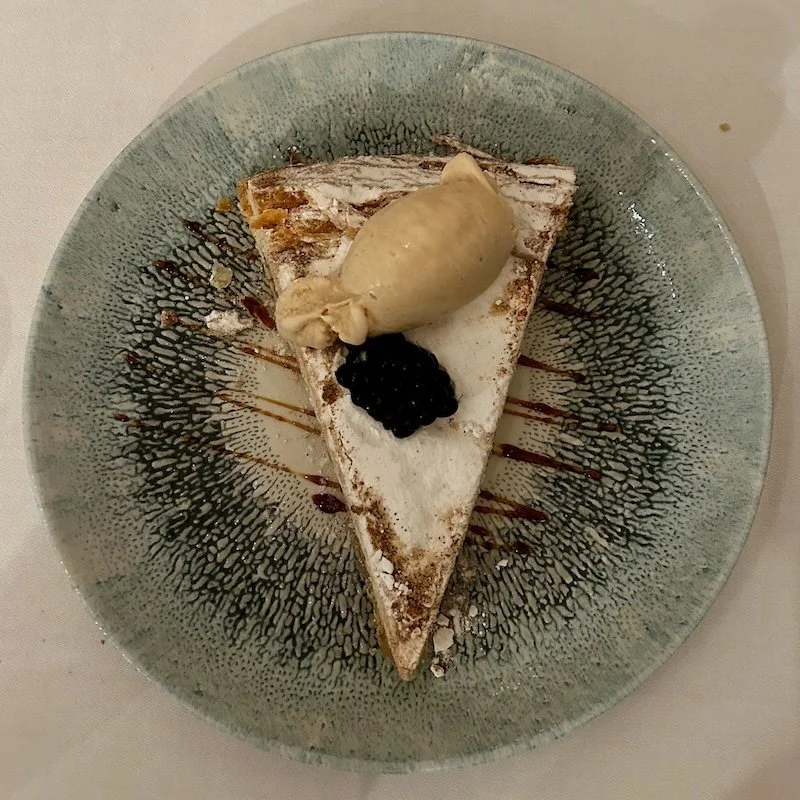
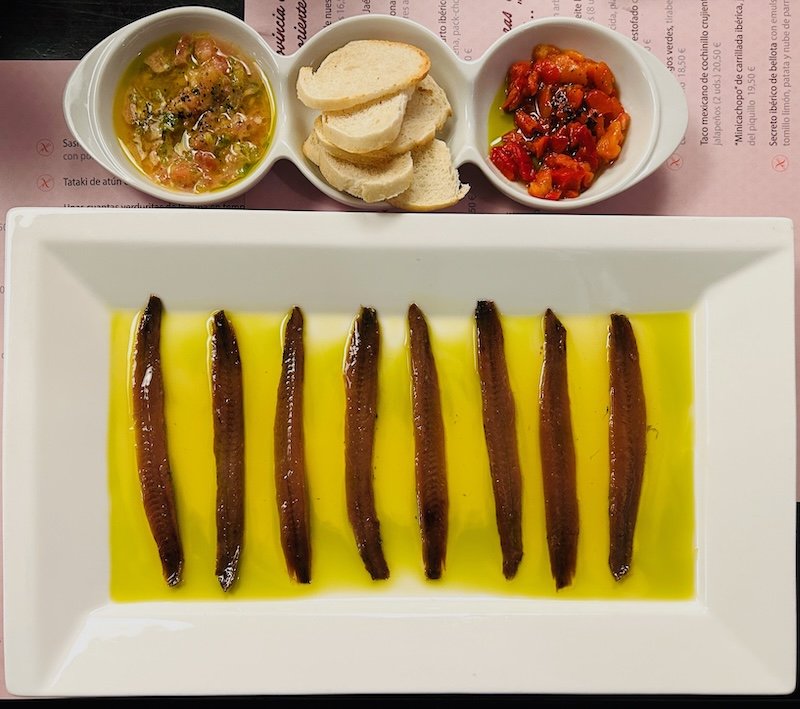
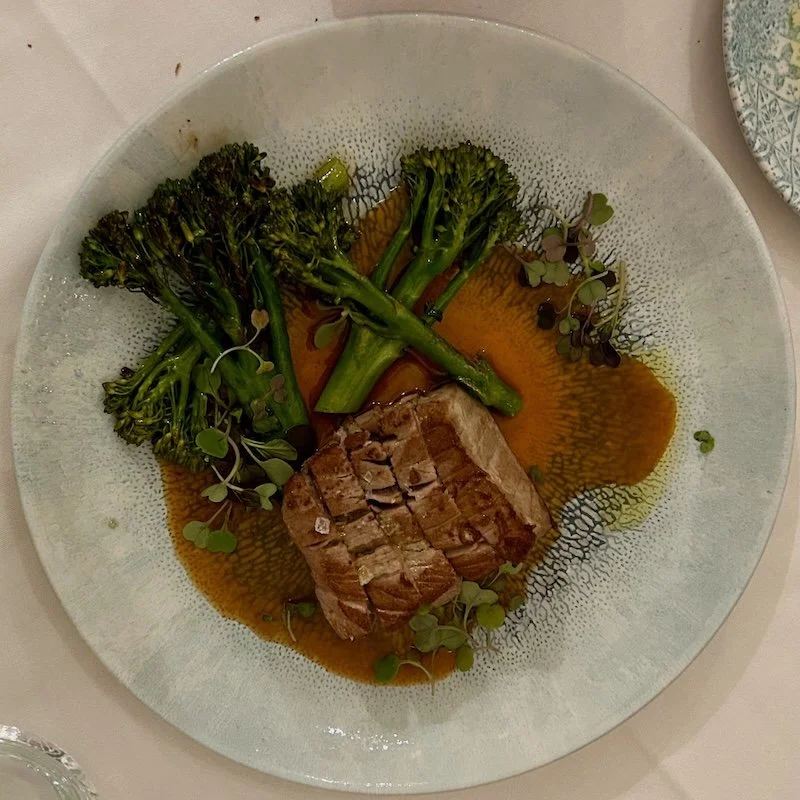
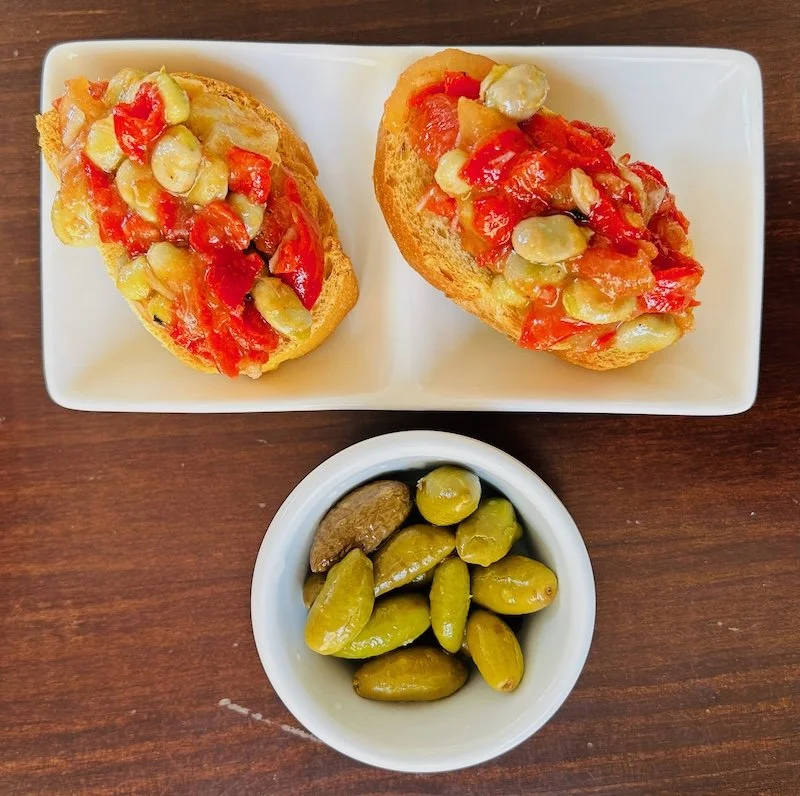
We had so much amazing and unusual tapas that it was difficult to choose a favourite. Being partial to fava beans, I loved the roasted red peppers and marinated fava beans on toast and the anchovies in olive oil with marinated peppers. The joy of being in Spain is the chance to hop from one bar to another, sampling tapas and sipping sangria along the way!
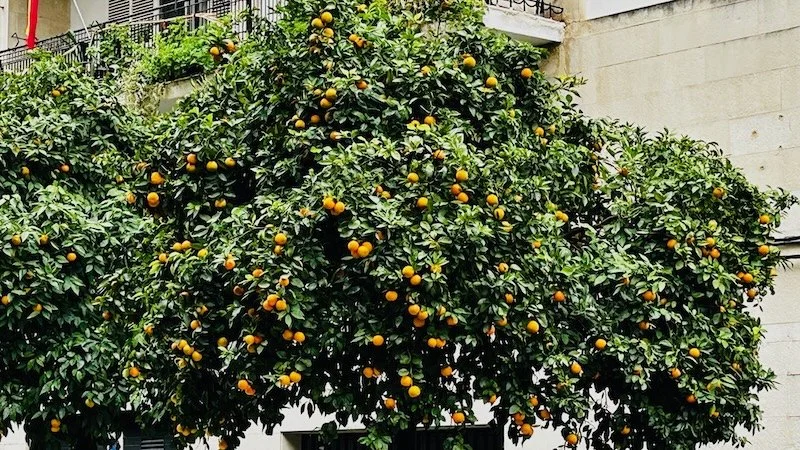
When we were in Seville, every road, every lane, every tiny alleyway was lined with orange trees that were laden with ripe fruit and I had to fight the urge to pluck a few! Seville oranges are available in markets across North America around late January to mid February. They are sour, with a bitter edge that is perfect for marmalade. Grab a few whenever you find them and make delicious, golden marmalade that is better than anything you can buy. This is my way to get through the long, cold winter and fill my house with the lovely citrus aromas of the oranges while my mind relives the golden memories of our travels through beautiful Spain.
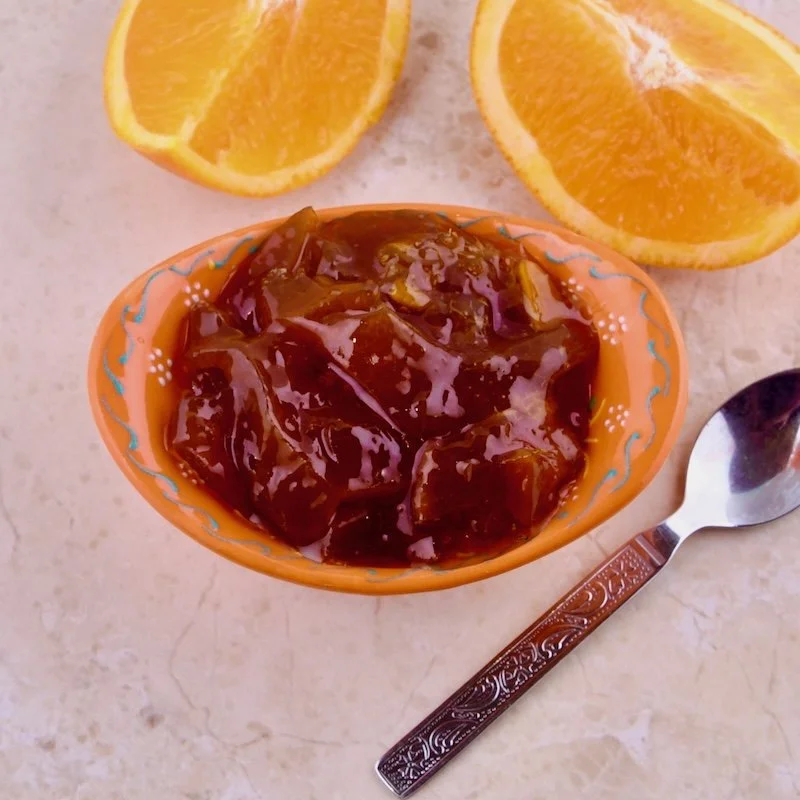
If you like the slightly bitter tang of Seville oranges, you can use just those in this recipe by increasing the number to four. I like to mellow it out with an assortment of oranges such as clementines, navel and blood oranges, even a grapefruit for added depth. Whatever you decide upon, it’s going to taste fantastic! For another delicious take on marmalade, try my Pineapple Orange Marmalade recipe.
Seville Orange Marmalade
3 Seville oranges ( about 1 lb)
1 navel orange
1 meyer or other lemon
4 cups each: water, sugar
1/2 inch piece vanilla bean, optional
Trim ends off oranges and lemon. Cut fruit into half crosswise and then cut each piece into very thin half rings, discarding all seeds as you find them. Cut the half rings into smaller pieces, making sure all the seeds are removed.
Combine the fruit along with their juices in a large heavy saucepan. Add water and bring to a boil over high heat. Turn off the heat and mix in the sugar and vanilla bean (if using). Cover saucepan and let it sit overnight for flavours and pectin to develop.
Uncover pan, bring back to a boil over high heat, stirring occasionally. Reduce heat to low and cook for about 2 hours or until fruit is tender and mixture thickens, stirring occasionally.
Increase heat to medium and cook for another 30-45 min or until mixture is very thick and jammy. If you like a runnier marmalade, take it off the heat when the desired consistency has been achieved. Leave the vanilla bean in marmalade, it will continue to add flavour over time. If marmalade is too chunky for your liking, blitz it lightly with a hand blender, after removing vanilla bean (you can add it back later).
Transfer warm marmalade to warm sterilized jars, seal tightly and store in a cool, dry place.
Makes about 4 cups